
California Historical Landmark, 1939
129 W Mason St at Burton Circle, Santa Barbara
OHP identifies this archaeological site as the possible location of the Indigenous village of Syujtun.
Historic landmarks
Adobes from the 1800s, the Courthouse, old garages and a fig tree. 185 places from Goleta to Carpinteria that a city, the county, the state or the nation has named worth saving, and what each one is.
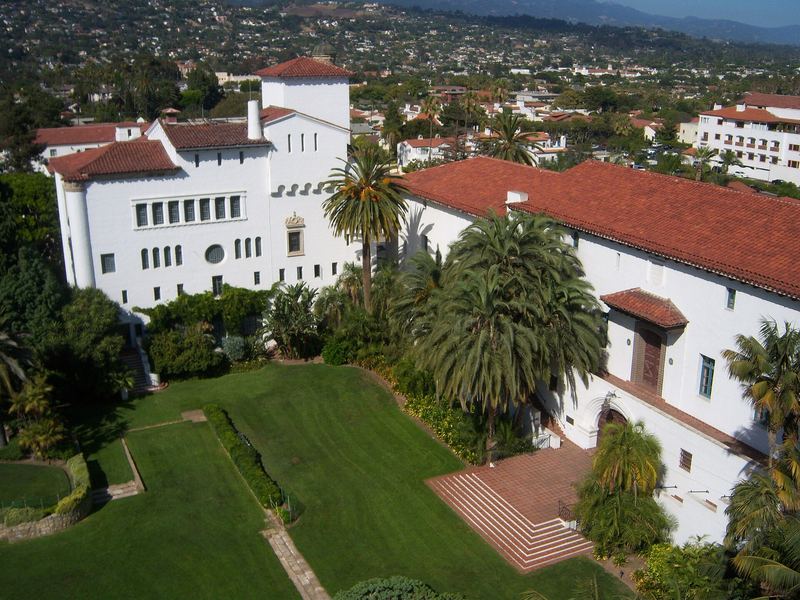
California Historical Landmarks, California Points of Historical Interest and the National Register of Historic Places.
California Historical Landmark, 1939
129 W Mason St at Burton Circle, Santa Barbara
OHP identifies this archaeological site as the possible location of the Indigenous village of Syujtun.
California Historical Landmark, 1955
950 Maple Ave, Carpinteria
The landmark commemorates the Chumash village of Mishopshnow, situated southwest of the monument.
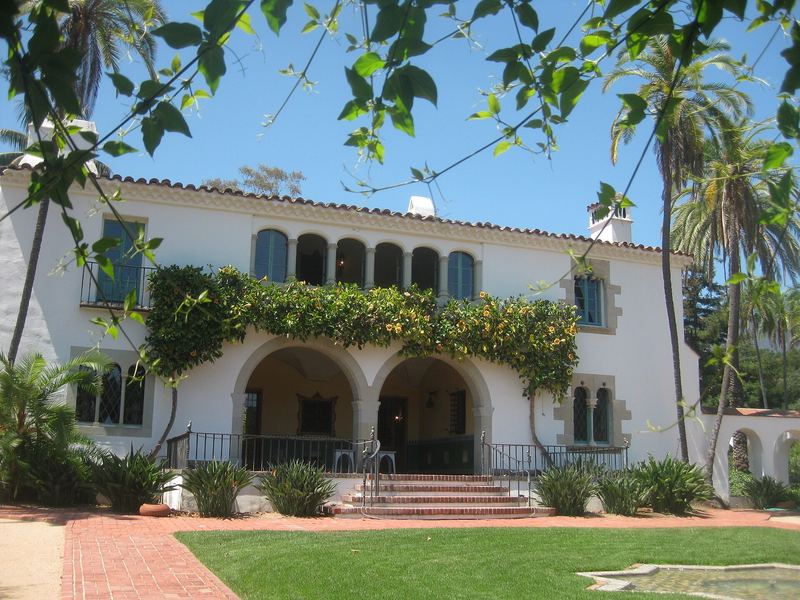
Photo: Caterpillar84, CC BY-SA 4.0
National Register, 1987
1387 East Valley Road, Montecito
Designed by George Washington Smith
This Spanish Colonial Revival estate is now a historic house museum and garden.
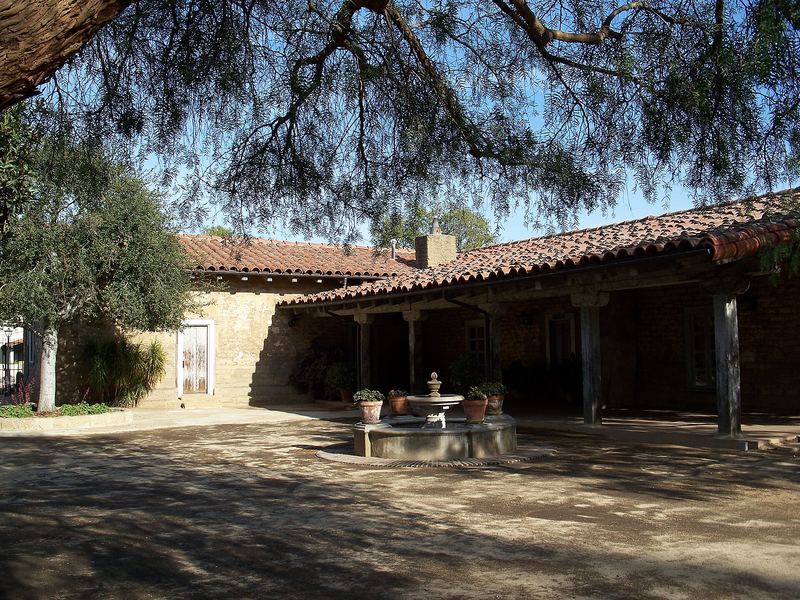
Photo: Eugene Zelenko (thanks to my friends Nickolov family for generous help and company), CC BY-SA 4.0
City Landmark · California Historical Landmark, 1939
715 N Santa Barbara St, Santa Barbara
Built 1817
This adobe was constructed in 1817 through Indigenous labor.
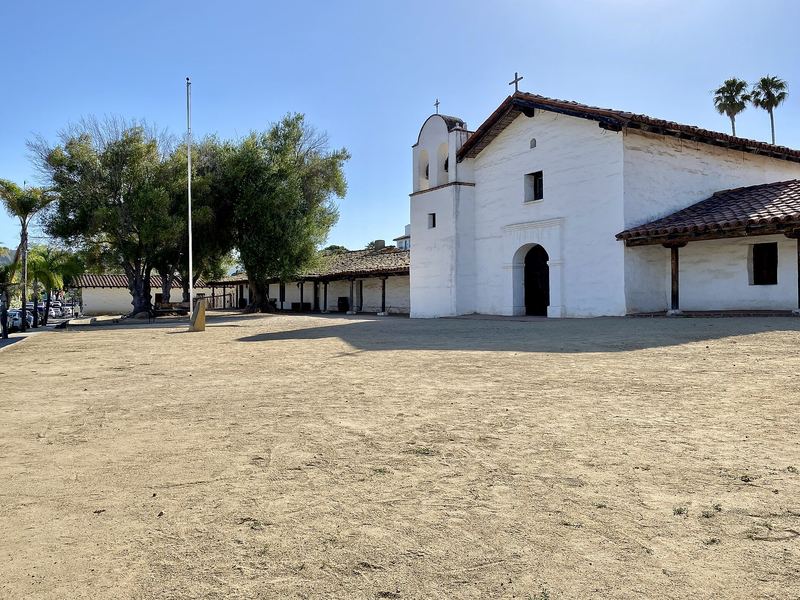
Photo: Warren LeMay from Chicago, IL, United States, CC BY-SA 2.0
City Landmark · California Historical Landmark, 1958
123 E Canon Perdido St, Santa Barbara
Built 1788
Established in 1782, the presidio site interprets California life under Spanish rule.
California Office of Historic Preservation · Why it's called Canon Perdido St
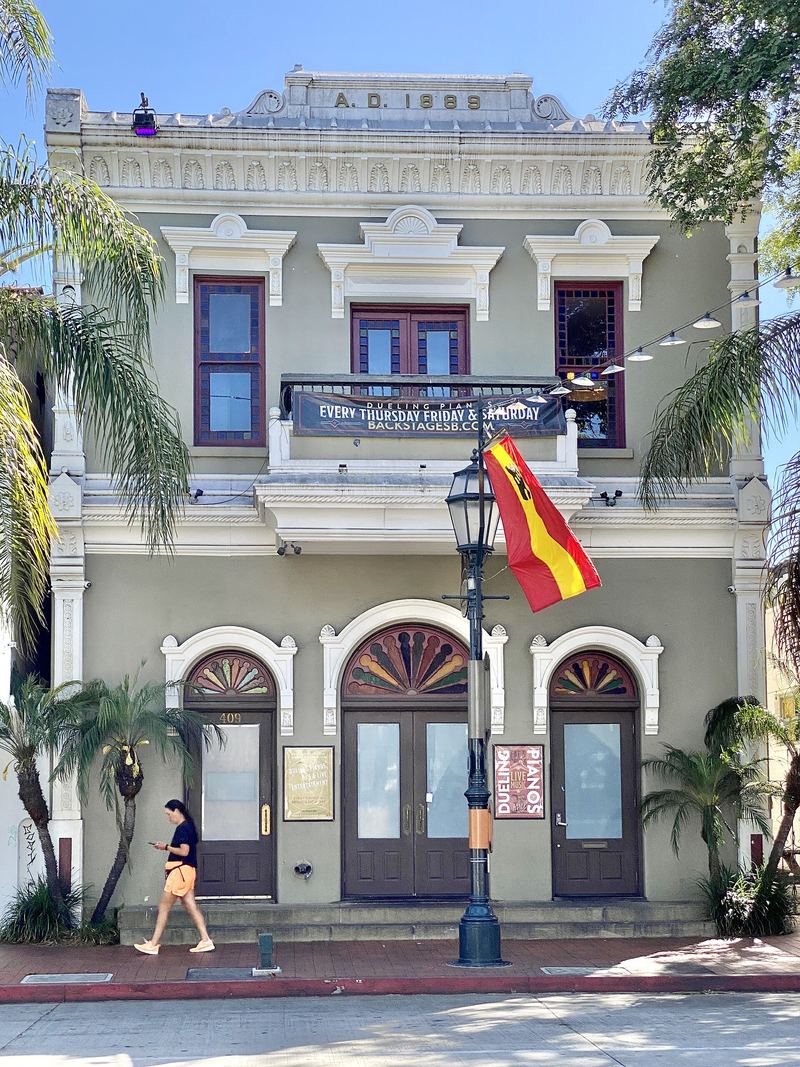
Photo: Warren LeMay from Chicago, IL, United States, CC BY-SA 2.0
City Landmark, 1978 · National Register, 1982
409 State St., Santa Barbara
Built 1889
Built in 1889 for religious services, the building also became Hotel Savoy. Its elaborate stamped metal facade is a defining historic feature.
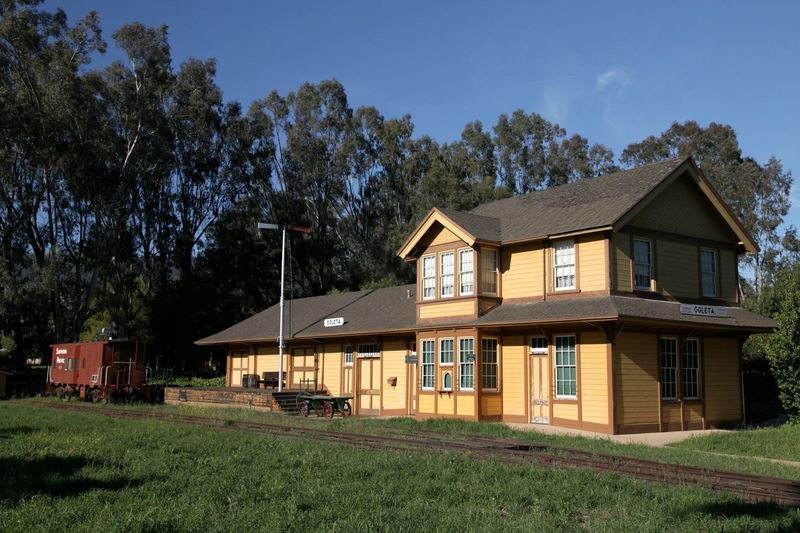
Photo: Nic7320, CC BY-SA 3.0
County Landmark, 1982 · National Register, 2002
300 N. Los Carneros Road, Goleta
Built 1901
Built in 1901, this is the county's only surviving rural railroad depot.
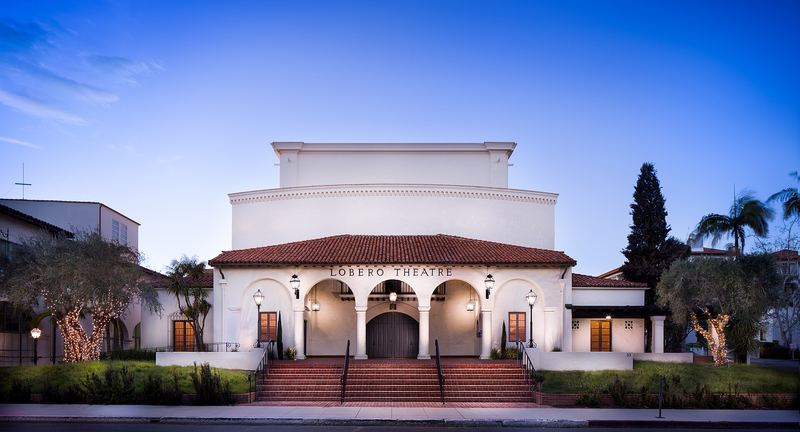
Photo: LoberoSB, CC BY-SA 4.0
City Landmark, 1981 · California Historical Landmark, 1939
33 East Canon Perdido Street, Santa Barbara
Built 1924 · Designed by George Washington Smith with Lutah Maria Riggs
A Spanish Colonial Revival theatre set back behind a planted forecourt, where its neighbors come right up to the sidewalk.
City of Santa Barbara · Did you know: the Lobero once became a roller rink · Why it's called Canon Perdido St
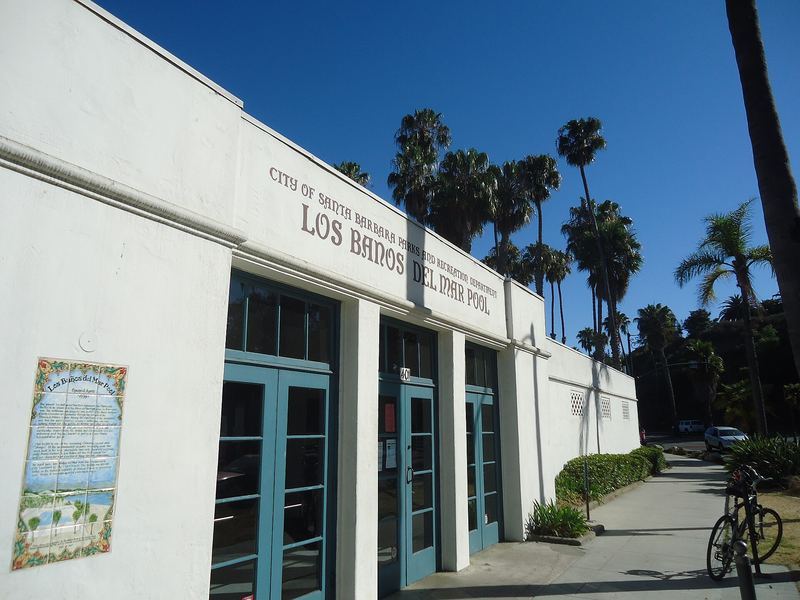
Photo: LordAmeth, CC BY-SA 3.0
City Landmark, 1992 · National Register, 1992
401 Shoreline Drive, Santa Barbara
Built 1939
The pool and bathhouse were constructed in 1939 and became a longstanding setting for recreational and competitive swimming.
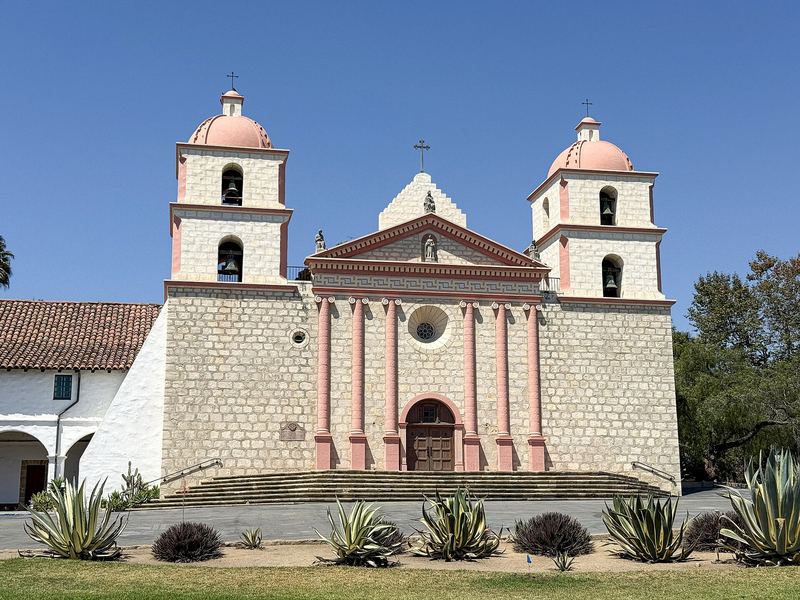
Photo: Hayden Soloviev, CC BY 4.0
City Landmark · California Historical Landmark, 1939
2201 Laguna St, Santa Barbara
Built 1786, 1815-1820, 1833, 1925
Founded in 1786, the mission also preserves historic waterworks, including a gristmill, aqueduct sections and reservoirs.
California Office of Historic Preservation · Did you know: a Mission reservoir served until 1993 · Why it's called Laguna St
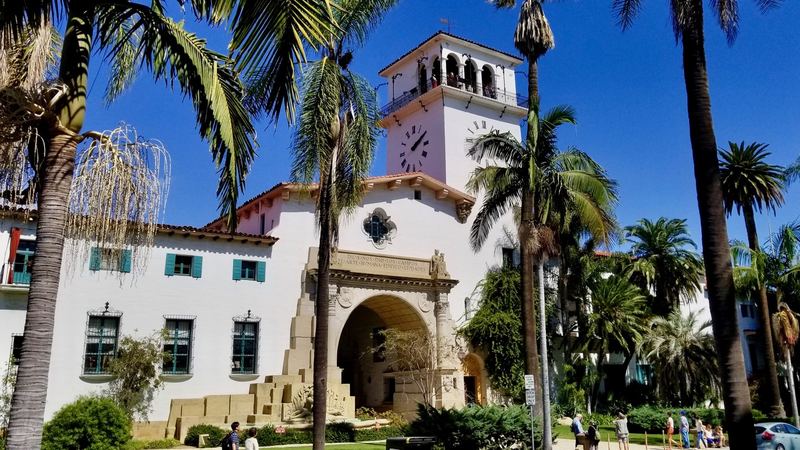
Photo: John Stanton, CC BY-SA 3.0
City Landmark · California Historical Landmark, 2003
1100 Anacapa Street, Santa Barbara
Built 1929 · Designed by William Mooser
William Mooser's courthouse, finished in 1929, mixes Spanish Colonial and Moorish Revival.
California Office of Historic Preservation · Did you know: a synagogue inspired a courthouse ceiling · Why it's called Anacapa St
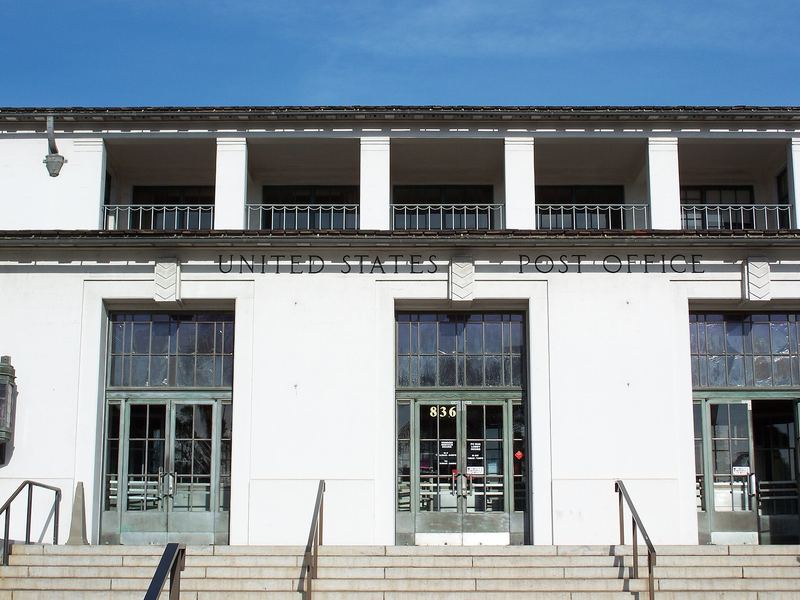
Photo: Eugene Zelenko (thanks to my friends Nickolov family for generous help and company), CC BY-SA 4.0
City Landmark, 1995 · National Register, 1985
836 Anacapa Street, Santa Barbara
Built 1937 · Designed by Reginald D. Johnson
Completed in 1937, the post office combines Spanish Colonial Revival forms with Art Deco ornament.
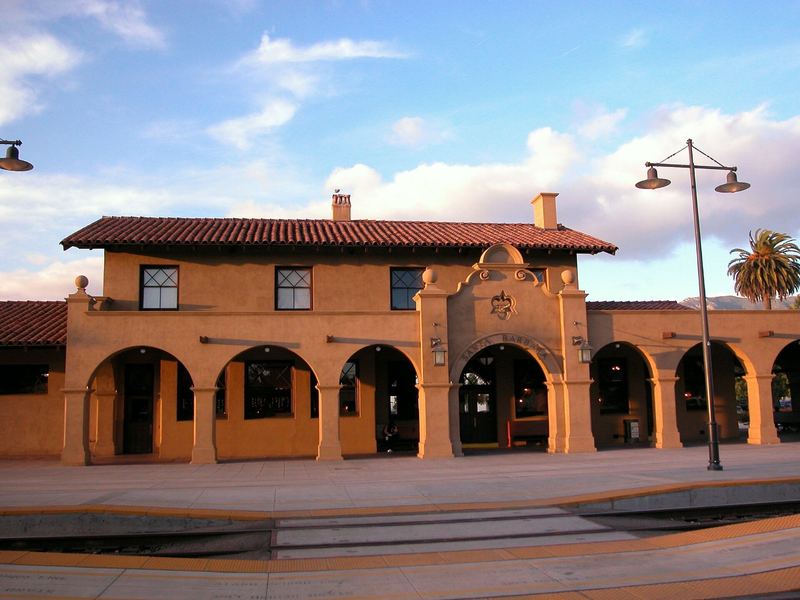
Photo: Gail Frederick, CC BY 2.0
City Landmark, 1980 · National Register, 2006
209 State Street, Santa Barbara
Built 1905 · Designed by Francis W. Wilson
Designed by Francis W. Wilson in 1905, this railroad station represents Mission Revival architecture.
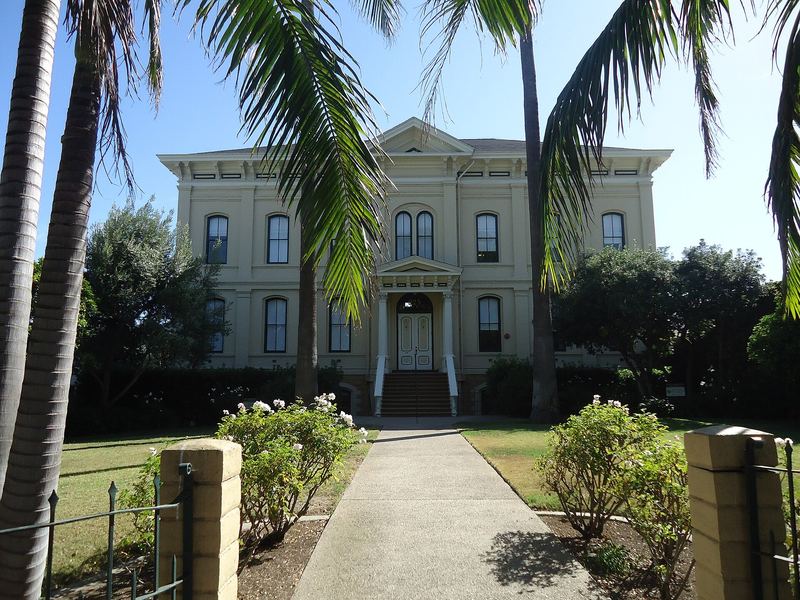
Photo: LordAmeth, CC BY-SA 3.0
City Landmark, 1981 · National Register, 1982
925 De La Vina St., Santa Barbara
Built 1874-1875 and 1983 · Designed by A. Marquis
The Italianate former orphanage and school is tied to the area's first English-speaking school.
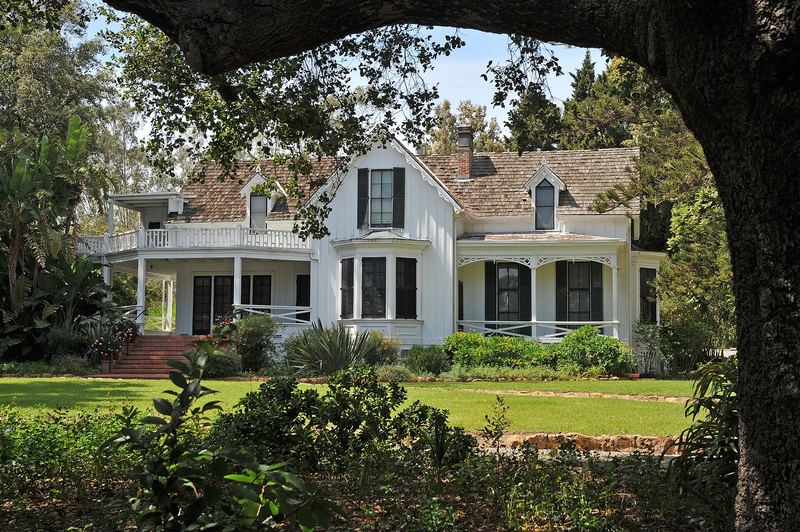
Photo: Edgy01 at English Wikipedia, CC BY-SA 3.0
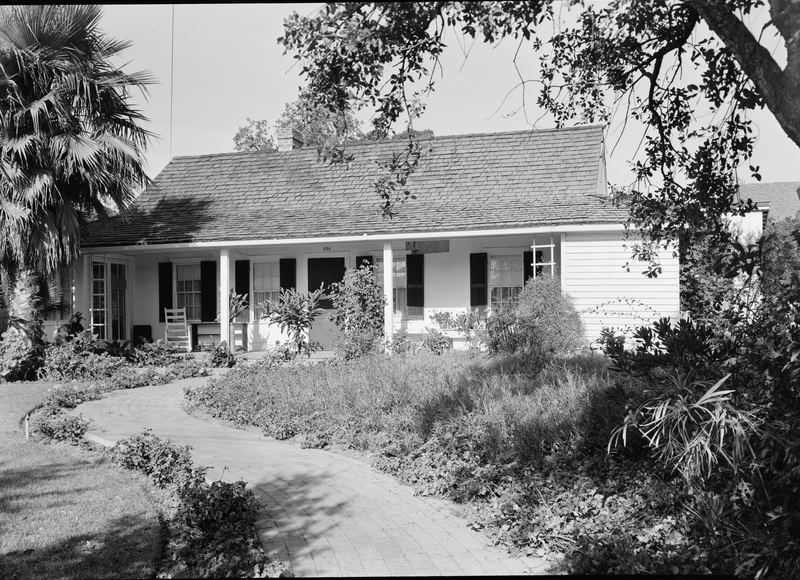
County Landmark, 1967 · National Register, 2000
304 North Los Carneros Road, Goleta
This historic house served as the headquarters of La Patera Ranch.
City Landmark, 1982 · California Historical Landmark, 1956
412 W Montecito St, Santa Barbara
Built 1854 (adobe); 1862 and 1880 (mansion) · Designed by Peter J. Barber and Thomas Nixon (mansion) · Adobe and Queen Anne
Captain Horatio Gates Trussell built the adobe in 1854, partly from the wreck of the steamer Winfield Scott. The Historical Society saved the Fernald Mansion next to it from destruction.
California Office of Historic Preservation · Did you know: a gold-rush steamer wrecked on Anacapa
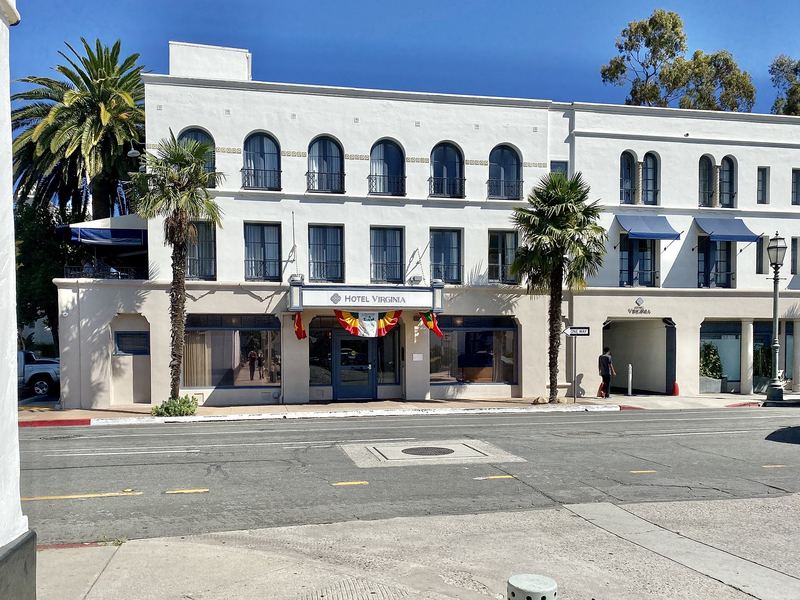
Photo: Warren LeMay from Chicago, IL, United States, CC BY-SA 2.0
Structure of Merit, 2018 · National Register, 2000
17 and 23 West Haley Street, Santa Barbara
Built 1916 · Designed by C. K. Denman
The Virginia Hotel joined two earlier hotel buildings. Its rebuilding after the 1925 earthquake shows the Spanish look Santa Barbara chose for itself.
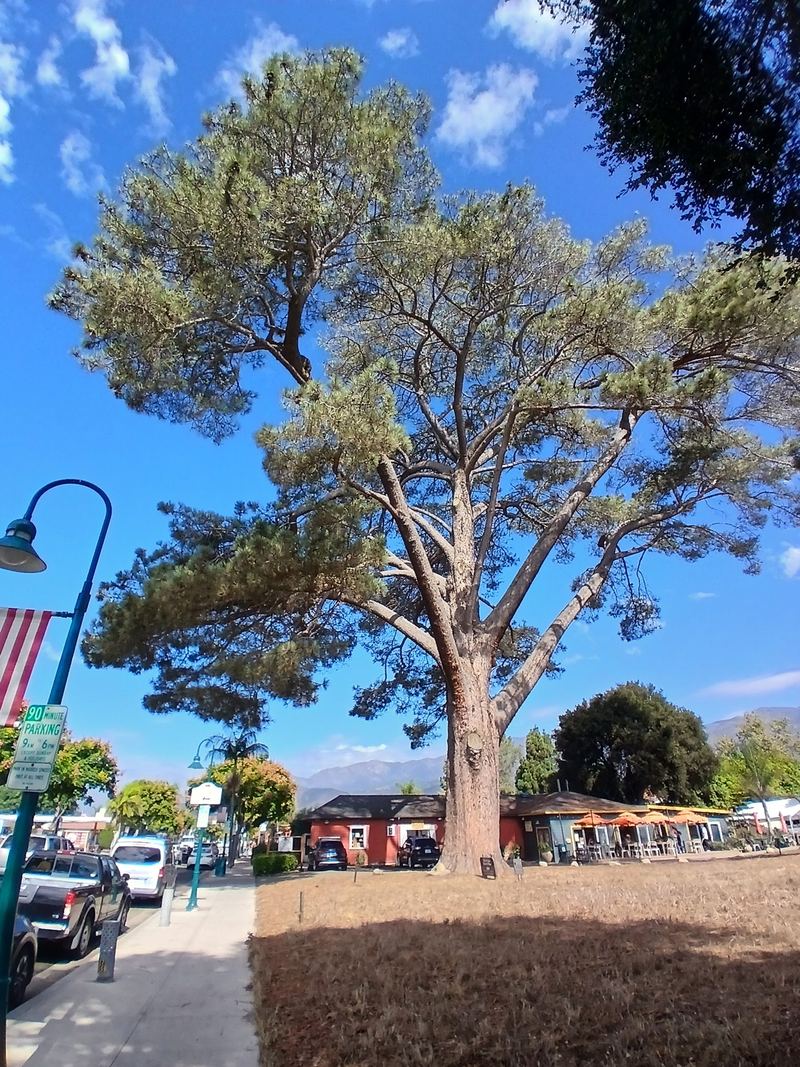
Photo: Shistorybuff, CC BY-SA 4.0
Carpinteria historic resource · California Point of Historical Interest, 1968
5160 Carpinteria Avenue, Carpinteria
This landmark Torrey pine was planted in 1888.
Santa Barbara's highest historic designation, made by the City Council. A City Landmark can't be torn down.
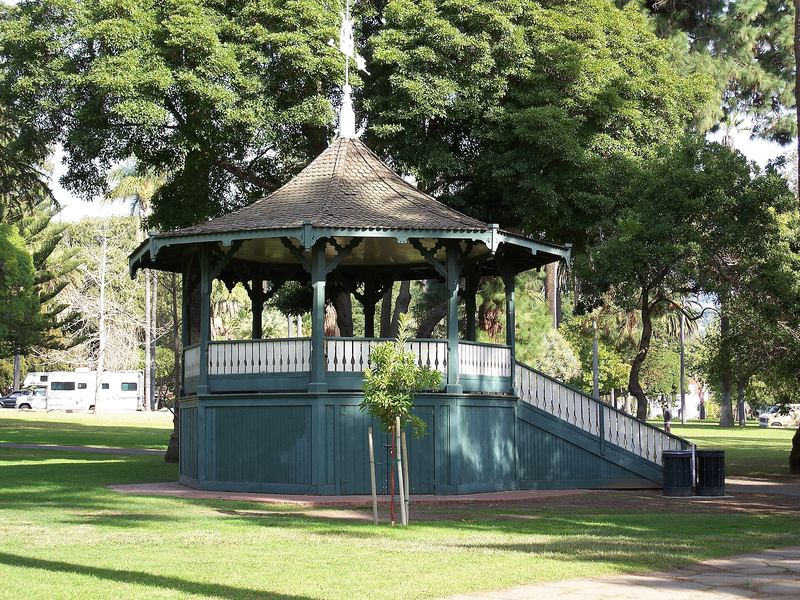
Photo: Eugene Zelenko (thanks to my friends Nickolov family for generous help and company), CC BY-SA 4.0
City Landmark, 1980
100 E Micheltorena St, Santa Barbara
Built 1888
Neighbors petitioned for the bandstand as a place for public entertainment. It can still be reserved for events in Alameda Park.
City Landmark, 2018
215 A East Canon Perdido Street, Santa Barbara
Built 1925 · Designed by Soule, Murphy, & Hastings · Vernacular
Alhecama is a restored theatre from the 1920s that continues to host performances and community gatherings.
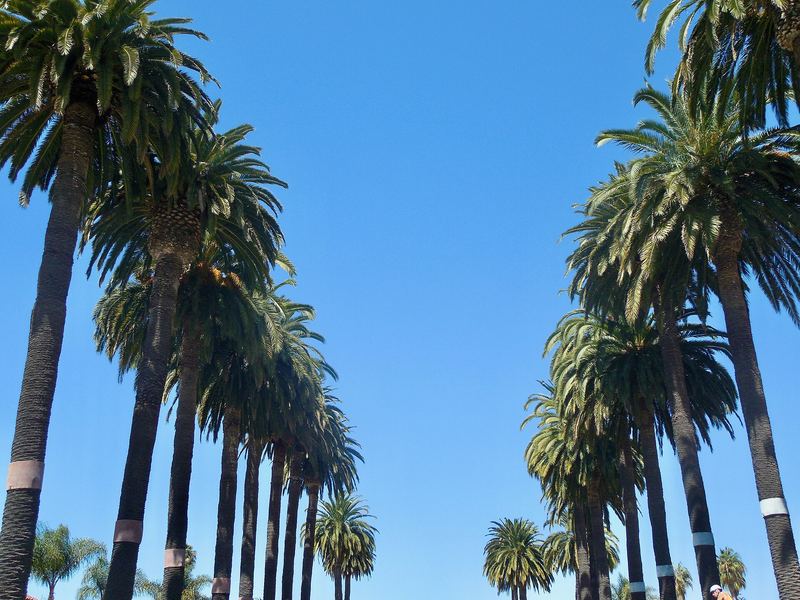
Photo: Niranjan Arminius, CC BY-SA 4.0
City Landmark, 1990
100 W Cabrillo Blvd, Santa Barbara
Cultural Landscape
The park occupies part of the historic Chumash village of Syuxtun and preserves the former pedestrian approach to the Potter and Ambassador hotels. The land became a City park in 1924.
City Landmark, 1975
1317 State St, Santa Barbara
Built 1930-1931 and 1976 · Designed by Edwards, Plunkett & Howell · Spanish Colonial Revival
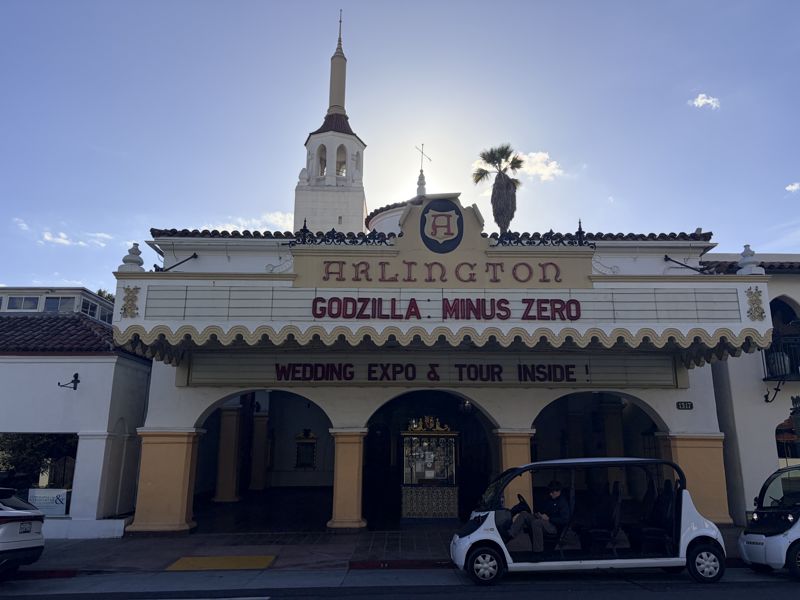
Built in 1931 for Fox West Coast Theatres, the Arlington retains its atmospheric Spanish Colonial and Mission Revival design.
City Landmark, 1983
421 E Figueroa St, Santa Barbara
Built c. 1860 · Spanish Colonial
City Landmark, 1983
1023 Bath St, Santa Barbara
Built 1844 · Spanish Colonial
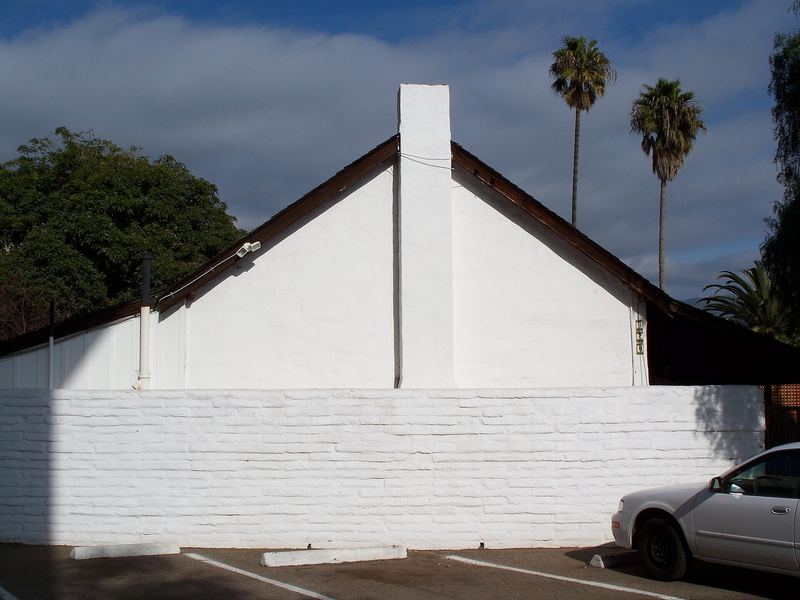
Photo: Eugene Zelenko (thanks to my friends Nickolov family for generous help and company), CC BY-SA 4.0
City Landmark
920 Anacapa St, Santa Barbara
Built c.1820 · Spanish Colonial
This former family home stood outside the Presidio's defensive wall.
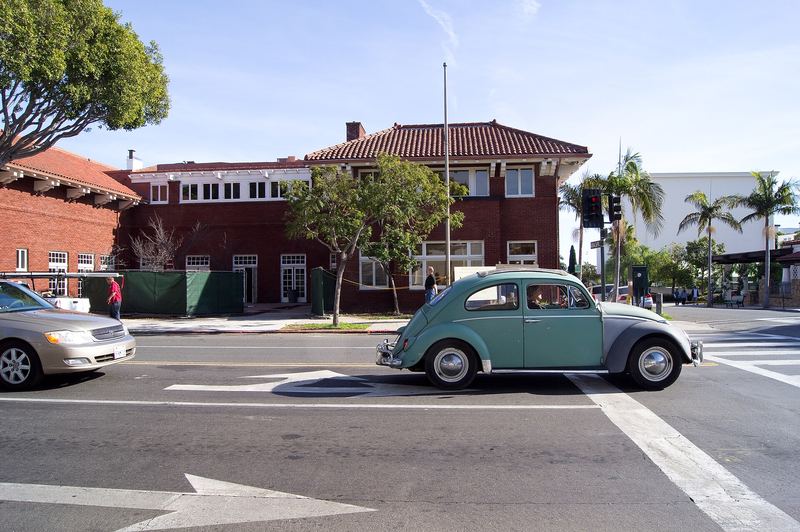
Photo: Thomas Camargo, CC BY 3.0
City Landmark, 1993
100 East Carrillo St, Santa Barbara
Built 1914 (recreation center) · Designed by Julia Morgan (1926 gymnasium)
Julia Morgan designed the 1926 gymnasium, with indoor recreation space and a court on the roof.
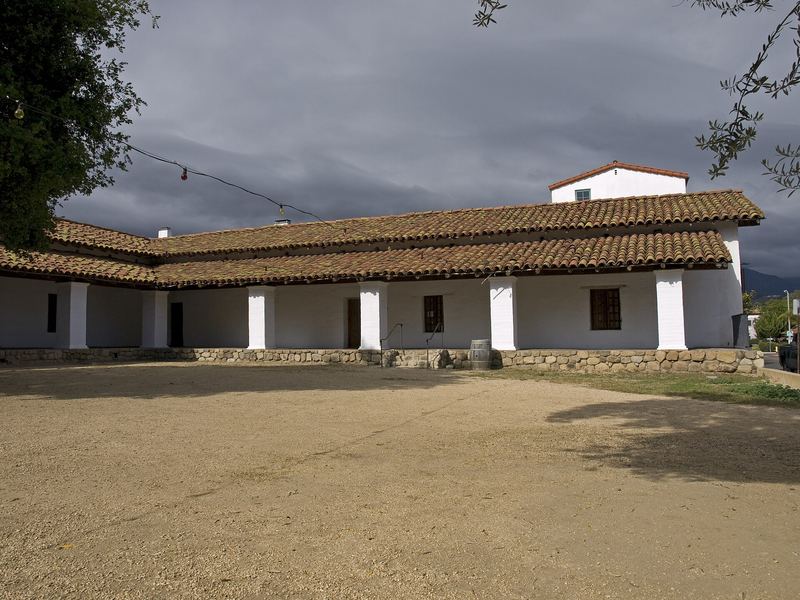
Photo: Ymblanter, CC BY-SA 3.0
City Landmark, 1975
11-19 East De La Guerra, Santa Barbara
Designed by Don Jose de la Guerra, Daniel Hill, & Daniel Call · Adobe
Chumash laborers built this adobe home for the de la Guerra family between 1818 and 1828. It's a museum now.
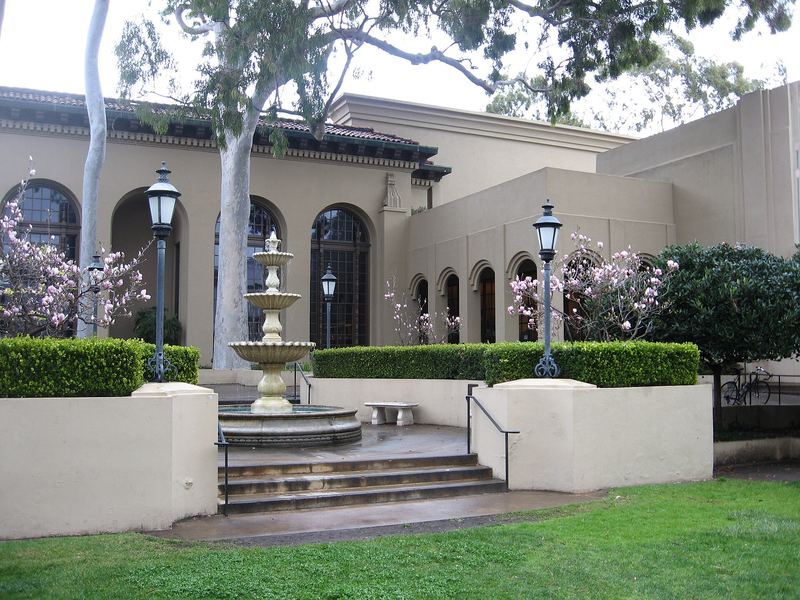
Photo: Padraic Ryan, CC BY-SA 3.0
City Landmark, 2012
40 E. Anapamu St., Santa Barbara
Built 1917 · Designed by Henry Hornbostel, with revised plans by Francis Wilson; Faulkner Gallery by Myron Hunt
The Central Library opened in 1917, followed by the Faulkner Gallery in 1930. The gallery also served as Santa Barbara's first art museum.
City Landmark
1 Hot Springs Rd, Santa Barbara
Built 1911-1912 · Designed by Francis W. Wilson · Beaux Arts
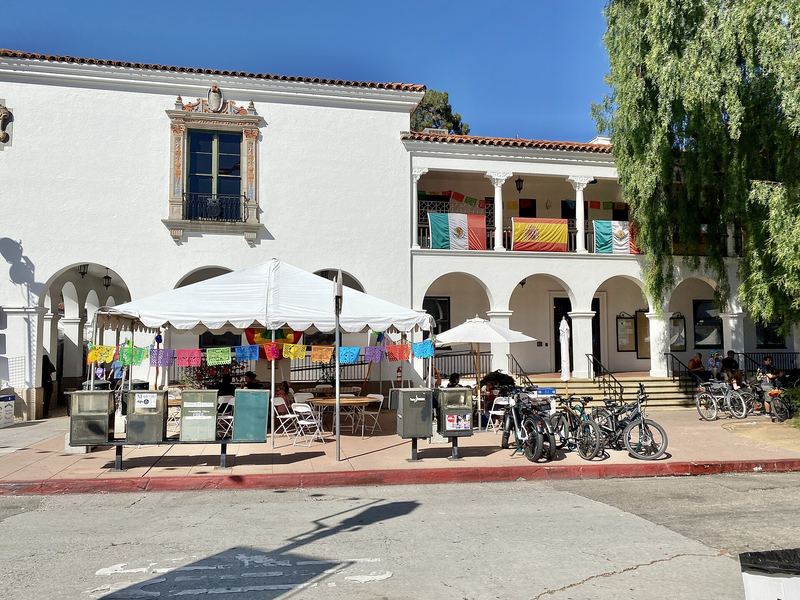
Photo: Warren LeMay from Chicago, IL, United States, CC BY-SA 2.0
City Landmark
20 East De La Guerra St., Santa Barbara
Built 1924 · Designed by Roland F. Sauter & E. Keith Lockard · Spanish Colonial Revival
The resource combines a Mediterranean-style City Hall with a California pepper tree at its plaza entrance. The tree was planted during the nineteenth century.
City Landmark
906 Garden St, Santa Barbara
Built c. 1855 and 1969 · Spanish Colonial
The old adobe is now the main office of the Environmental Defense Center.
City Landmark, 1997
500 BLK E ANAPAMU ST, Santa Barbara
Cultural Landscape - Tree
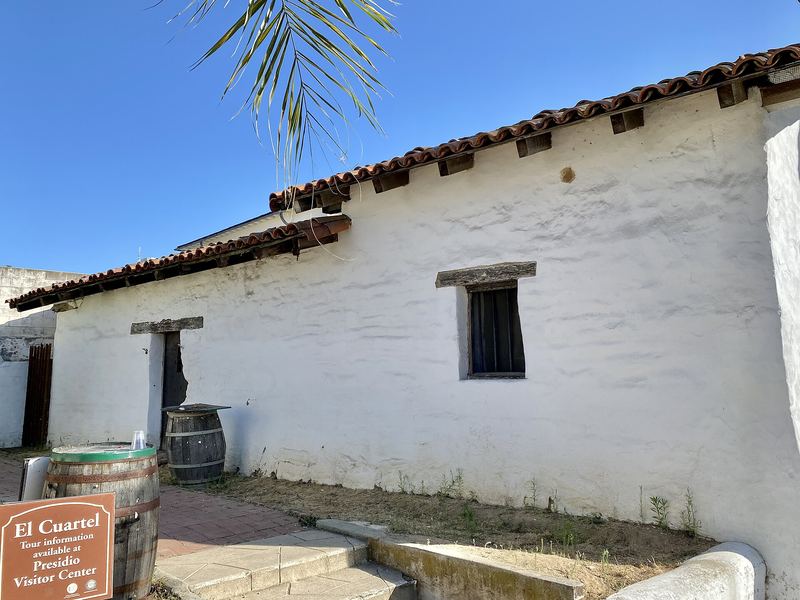
Photo: Warren LeMay from Chicago, IL, United States, CC BY-SA 2.0
City Landmark, 1982
122 E Canon Perdido St, Santa Barbara
Built 1788 · Spanish Colonial
El Cuartel is one of the original adobe buildings surviving from the Spanish presidio and is open to the public.
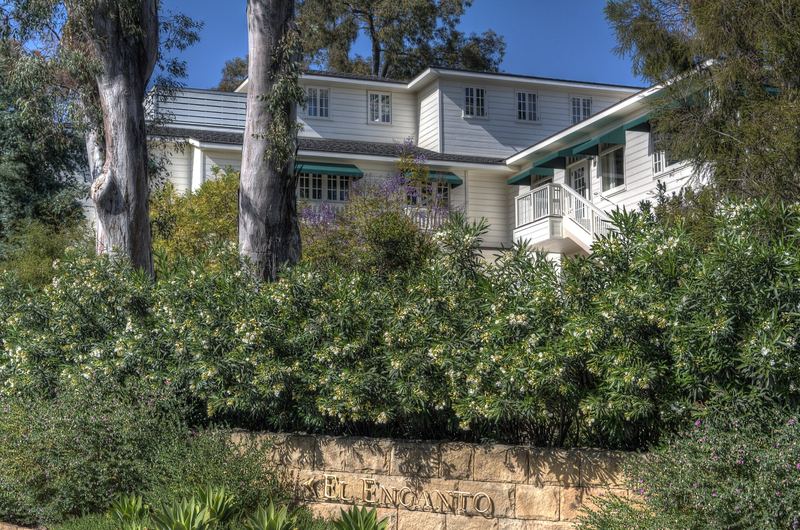
Photo: Al R, CC BY-SA 2.0
City Landmark
800 Alvarado Pl, Santa Barbara
Built 1913-1930 · Designed by Soule, Ray, Eaton, Edwards, Plunkett, Howell · Craftsman Vernacular / Spanish Colonial Revival
El Encanto began as housing for a school and grew into a cottage resort. The landmark covers the buildings and the grounds around them.
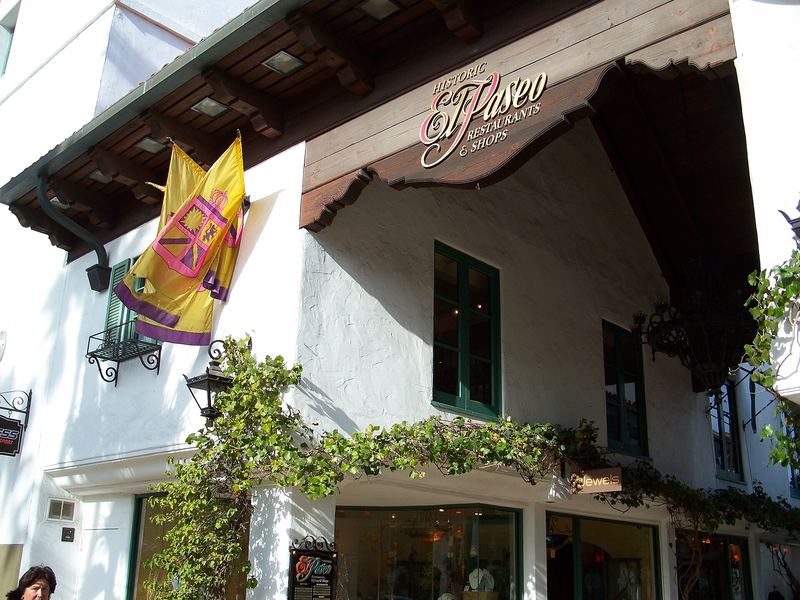
Photo: Eugene Zelenko (thanks to my friends Nickolov family for generous help and company), CC BY-SA 4.0
City Landmark
813 Anacapa St, Santa Barbara
Built 1911-1924 and 1928-1929 · Designed by James Osborne Craig, Mary Craig, & Carleton M. Win · Spanish Colonial Revival
El Paseo helped inspire the revival of Spanish Colonial architecture in Southern California.
City Landmark, 1997
217 E Gutierrez St, Santa Barbara
Built c. 1890 · Cultural Landscape - Tree
The Fernald Eucalyptus is one of the City's designated historic trees.
City Landmark
120 E Valerio Street, Santa Barbara
Built 1931 · Designed by Henry Gutterson, Lockwood de Forest, Jr. · Byzantine and Romanesque with Santa Barbara Mediterranean influence
The congregation organized in 1900. Its Valerio Street church continues to hold Sunday services and Wednesday testimony meetings.
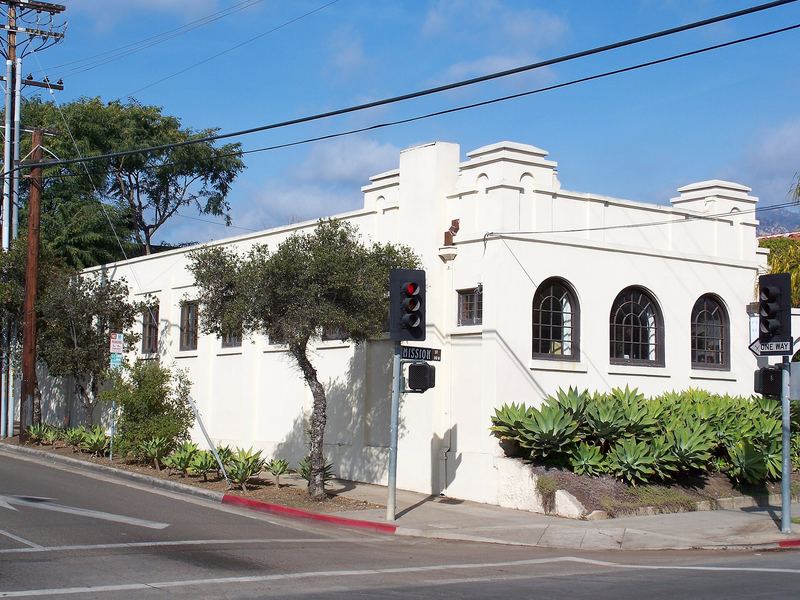
Photo: Eugene Zelenko (thanks to my friends Nickolov family for generous help and company), CC BY-SA 4.0
City Landmark
34 W Mission St, Santa Barbara
Built 1913 · Designed by J. Corbley Pool · Mission Revival
This 1913 building was the green room of the Flying A film studios.
City of Santa Barbara · Did you know: nearly a thousand silent films were made here
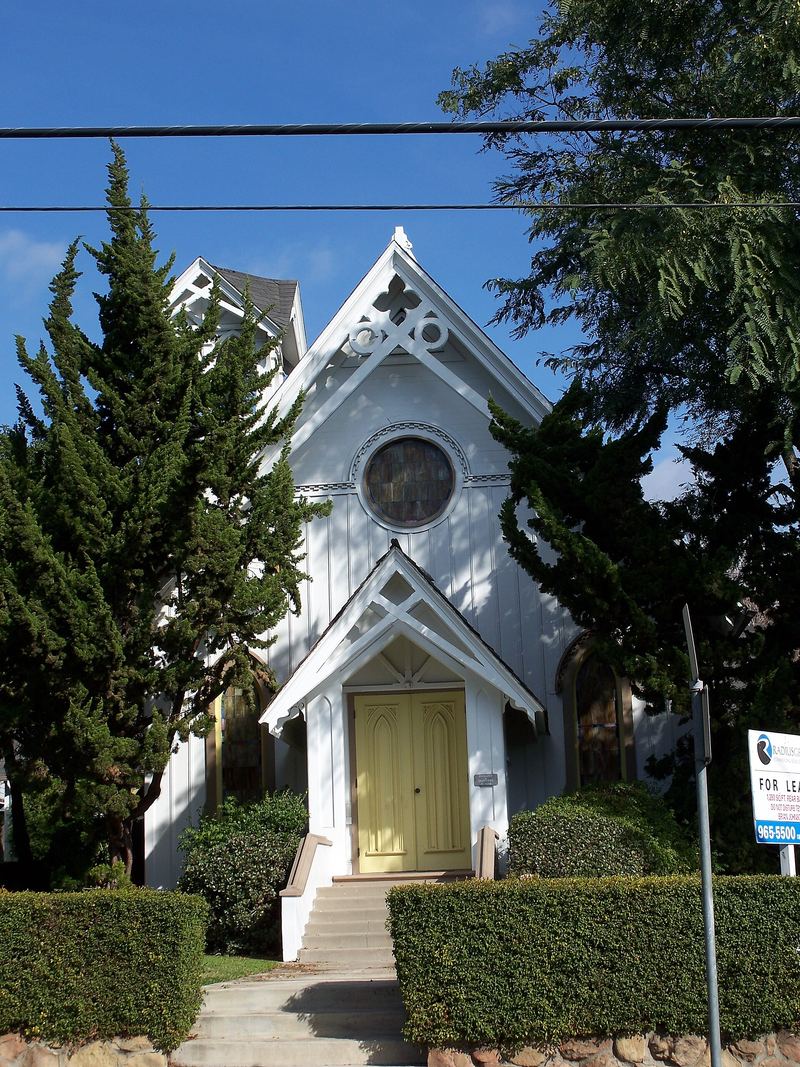
Photo: Eugene Zelenko (thanks to my friends Nickolov family for generous help and company), CC BY-SA 4.0
City Landmark
2020 Chapala St, Santa Barbara
Built 1875 · Designed by Attributed to Peter J. Barber · Gothic Revival
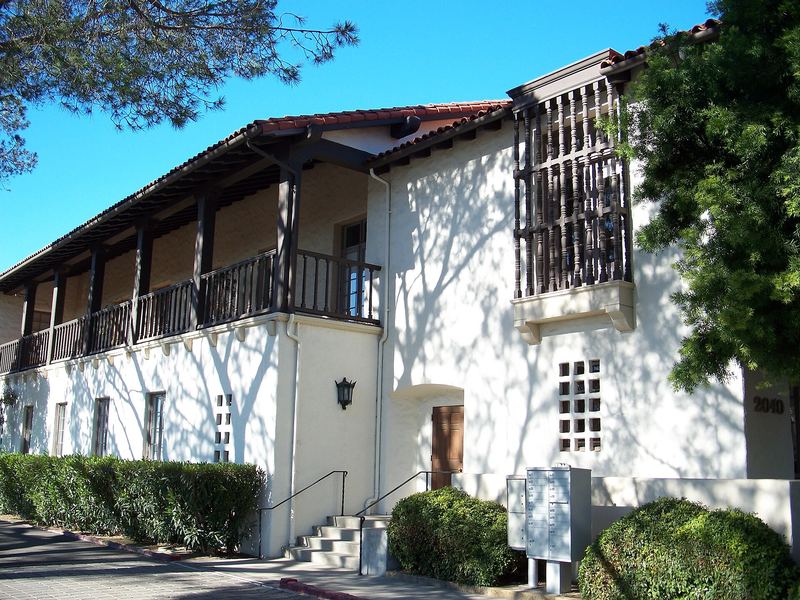
Photo: Eugene Zelenko (thanks to my friends Nickolov family for generous help and company), CC BY-SA 4.0
City Landmark, 2004
2020 2050 Alameda Padre Serra St, Santa Barbara
Built 1928-1929 · Designed by Alfred Eichler, under architect George B. McDougall · Mediterranean
City Landmark, 1983
835 Laguna St, Santa Barbara
Built 1825, 1923 and 1956 · Designed by Mrs. A.L. Vhay for restoration · Spanish Colonial
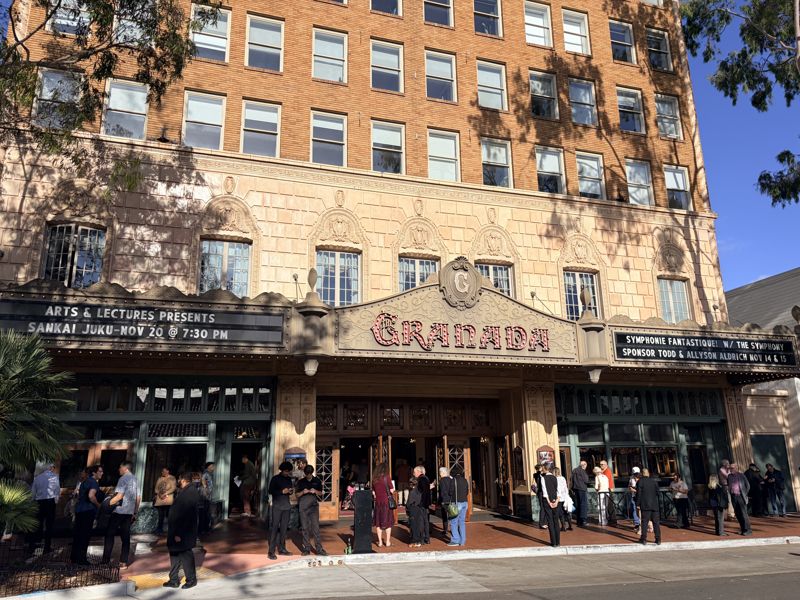
City Landmark, 2011
1214 State St, Santa Barbara
Built 1924 · Designed by A. B. Rosenthal · Beaux Arts
Built in 1924, the Granada remains a performing arts venue. It hosts resident companies alongside regional and national touring productions.
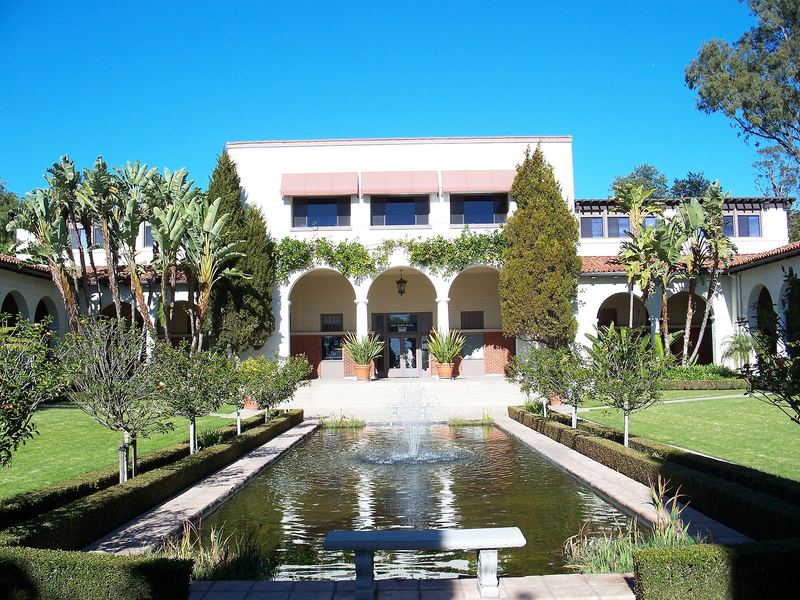
Photo: Eugene Zelenko (thanks to my friends Nickolov family for generous help and company), CC BY-SA 4.0
City Landmark, 2004
2030 Alameda Padre Serra St, Santa Barbara
Built 1913 · Mediterranean
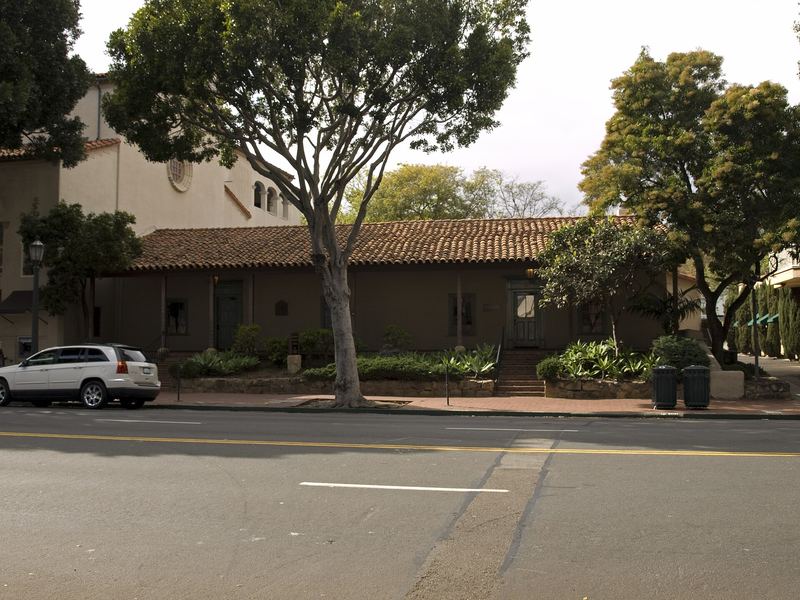
Photo: Ymblanter, CC BY-SA 3.0
City Landmark, 1982
11 15 E Carrillo St, Santa Barbara
Built 1825-1826 · Designed by Daniel Hill · Spanish Colonial
City Landmark, 1983
25 E. De La Guerra St, Santa Barbara
Built 1860 · Designed by Gaspar Orena · Italianate
City Landmark, 1983
1790 Sycamore Canyon Road, Santa Barbara
Built 1926 · Designed by Lutah Maria Riggs · Neoclassical
City Landmark, 2015
38 W Victoria St, Santa Barbara
Built 1958 · Cultural Landscape - Mural
City Landmark, 2017
1303 State St, Santa Barbara
Built 1951 · Designed by Kem Weber / Roy Cheesman · Streamline Moderne
City Landmark, 2020
601 E Montecito St, Santa Barbara
Built c. 1917, 1931 · Designed by Soule, Murphy, & Hastings · Spanish Colonial Revival
This Spanish Colonial Revival building is distinguished by an octagonal tower. It became the home of La Casa de la Raza Community Center.
City Landmark, 1986
2225 Modoc Rd, Santa Barbara
Built 1927-1928 · Designed by William Weeks · Mediterranean
Designed by William H. Weeks, La Cumbre opened to students in January 1928. It was the community's first campus built specifically as a junior high school.
City Landmark, 1992
3800 Lincoln Road, Santa Barbara
Built 1925 · Designed by Charles Erickson
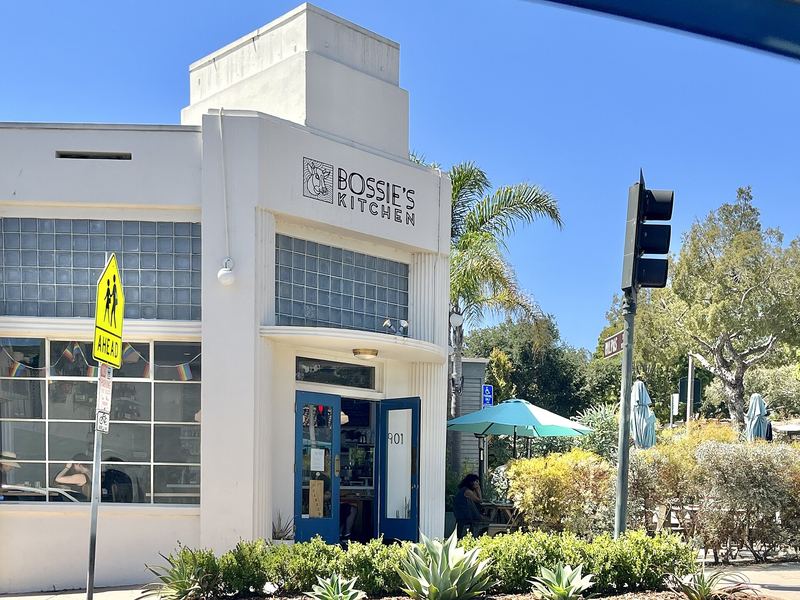
Photo: Warren LeMay from Chicago, IL, United States, CC BY-SA 2.0
City Landmark, 2018
901 N Milpas St, Santa Barbara
Built 1938 · Designed by Alex D'Alfonso · Streamline Moderne
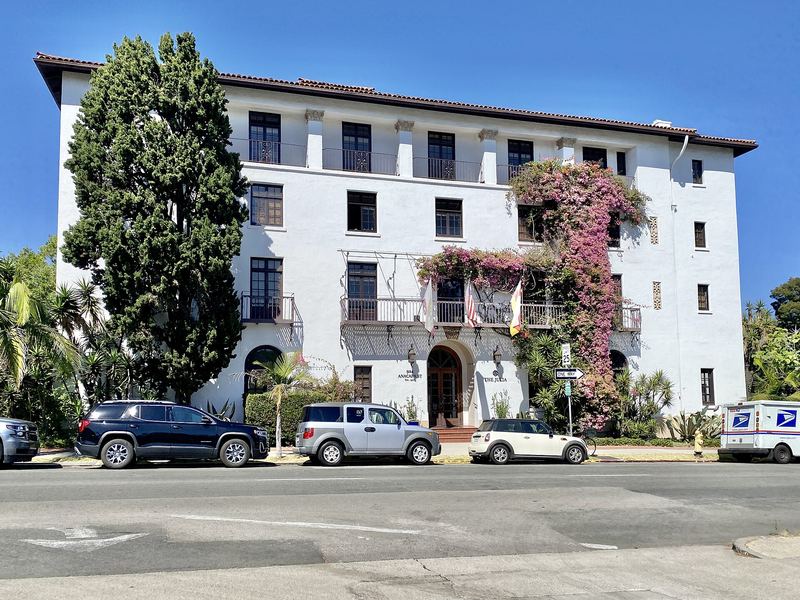
Photo: Warren LeMay from Chicago, IL, United States, CC BY-SA 2.0
City Landmark, 2018
924 Anacapa Street, Santa Barbara
Built 1927 · Designed by Julia Morgan · Spanish Colonial Revival
City Landmark, 2014
16 E Carrillo St, Santa Barbara
Built 1924 · Designed by Carl Werner · Mediterranean
The City's design guidelines highlight the Masonic Temple on Carrillo Street as an example of downtown Italian Mediterranean commercial architecture.
City Landmark, 1993
350 Loma Alta Dr, Santa Barbara
Built 1931 · Designed by Soule, Murphy, & Hastings · Mediterranean
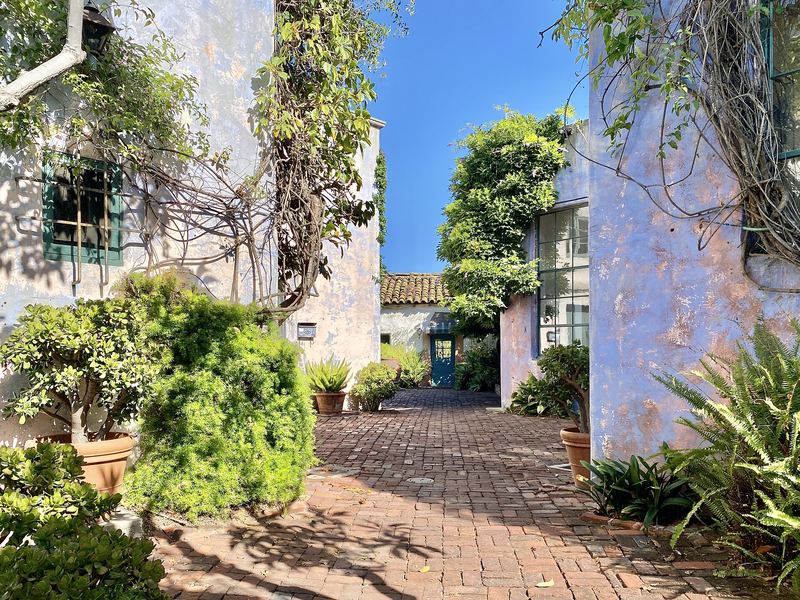
Photo: Warren LeMay from Chicago, IL, United States, CC BY-SA 2.0
City Landmark, 1960
112 116 East De La Guerra St, Santa Barbara
Built c. 1830, 1922, 1923, 1925 · Designed by George Washington Smith, Carleton M. Winslow, Sr. · Spanish Colonial Revival
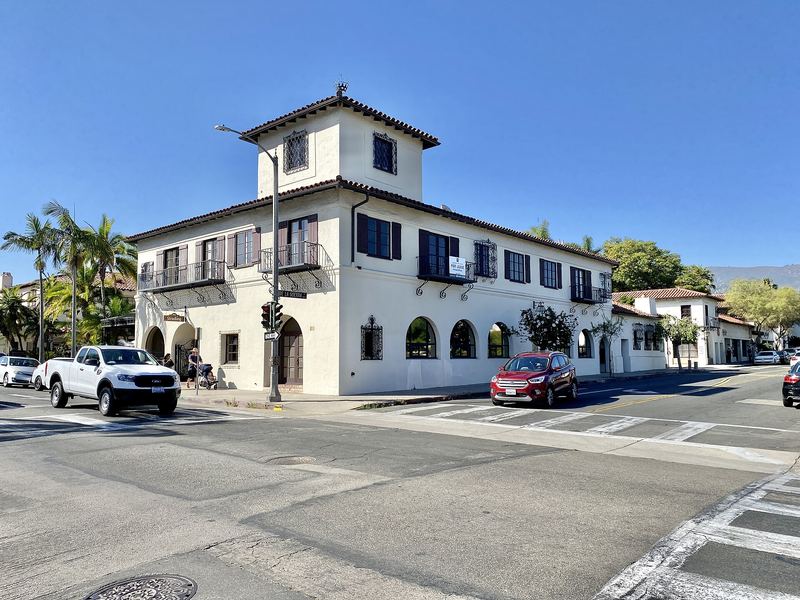
Photo: Warren LeMay from Chicago, IL, United States, CC BY-SA 2.0
City Landmark, 1983
802 Anacapa St, Santa Barbara
Built various dates · Designed by Joseph J. Plunkett · Spanish Colonial Revival
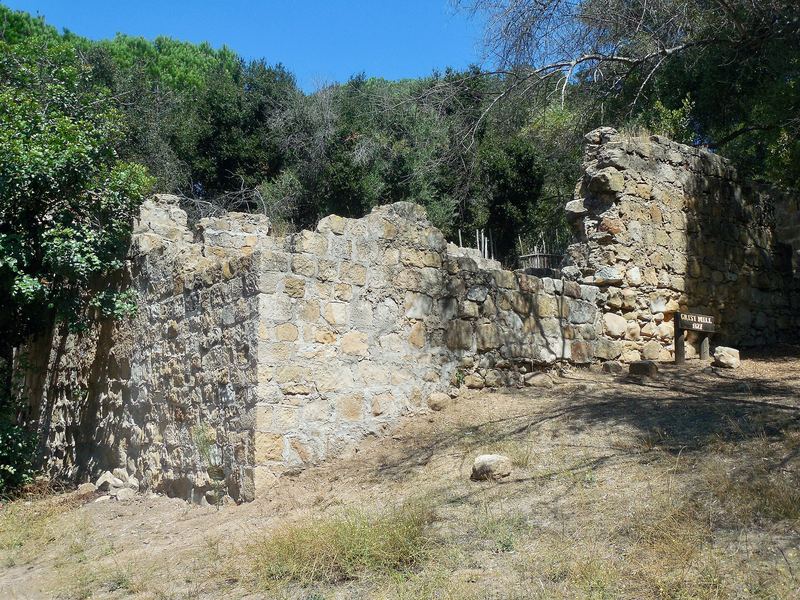
Photo: Niranjan Arminius, CC BY-SA 4.0
City Landmark
415 Plaza Rubio, Santa Barbara
Built 1928 and 1956 · Cultural Landscape - Park
The park preserves remains of the Mission's water and production facilities. It also contains the A.C. Postel Memorial Rose Garden.
City of Santa Barbara · Did you know: a Mission reservoir served until 1993 · Why it's called Plaza Rubio
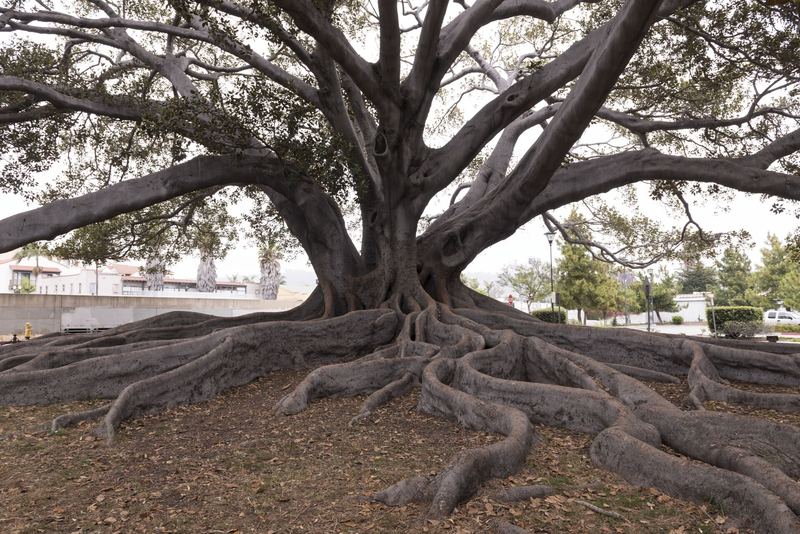
City Landmark, 1982
101 W Montecito St, Santa Barbara
Built 1874 · Cultural Landscape - Tree
The park preserves a Moreton Bay fig that the City describes as one of the largest of its kind in the country.
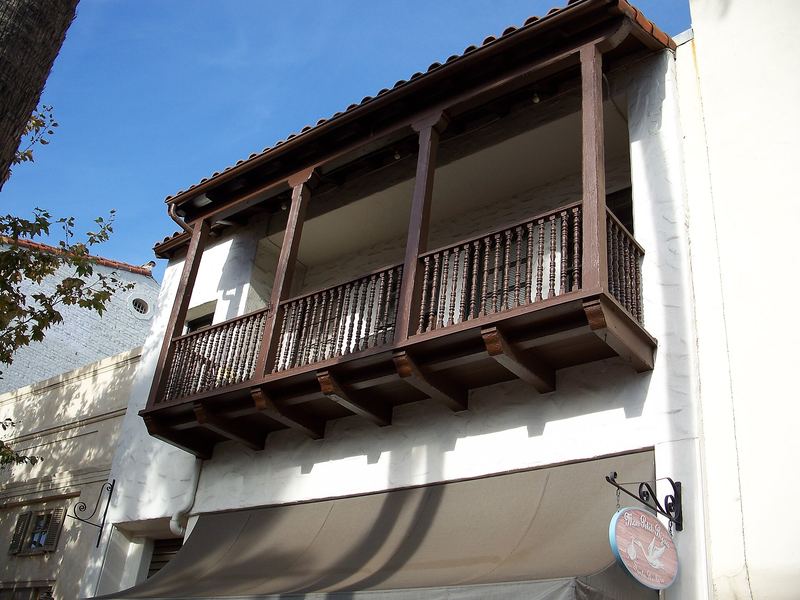
Photo: Eugene Zelenko (thanks to my friends Nickolov family for generous help and company), CC BY-SA 4.0
City Landmark, 1990
922 State St, Santa Barbara
Built 1887 and 1925 · Designed by Stanley Edwards, Architectural Advisory Committee · Spanish Colonial Revival
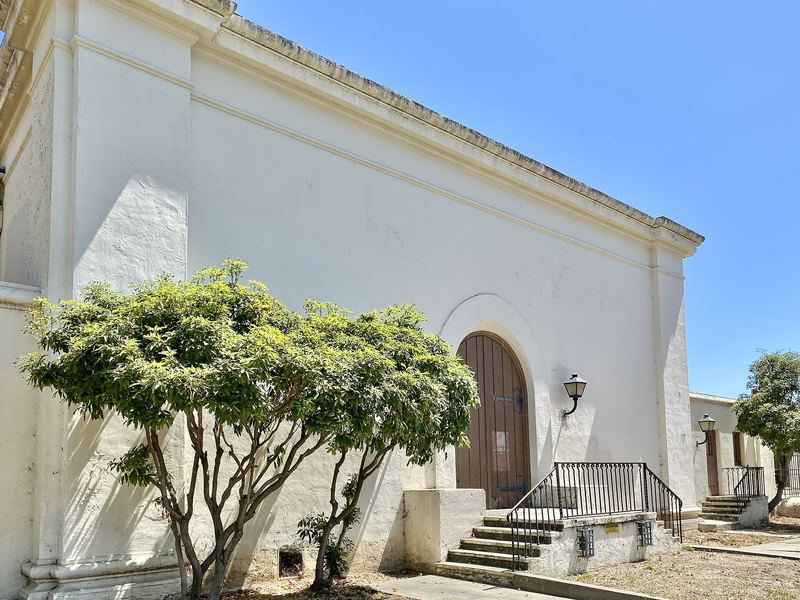
Photo: Warren LeMay from Chicago, IL, United States, CC BY-SA 2.0
City Landmark, 1998
700 730 E Canon Perdido St, Santa Barbara
Built 1938 · Designed by Edwards & Plunkett · Spanish Colonial Revival
The armory's low tower and south arcade continue Santa Barbara's Hispanic architectural tradition in a design from the 1930s.
City Landmark, 1995
109 Harbor Way, Santa Barbara
Built 1940-1942 and 1997 · Designed by Soule & Murphy · Mediterranean
The former Naval Reserve Building is now the Waterfront Center building and houses the Santa Barbara Maritime Museum. The museum interprets the maritime history of the Santa Barbara Channel.
City of Santa Barbara · Did you know: a lighthouse lens fills two stories
City Landmark, 2019
30 W Arrellaga St, Santa Barbara
Built 1950 · Designed by Lutah Maria Riggs · Mid-Century Modern
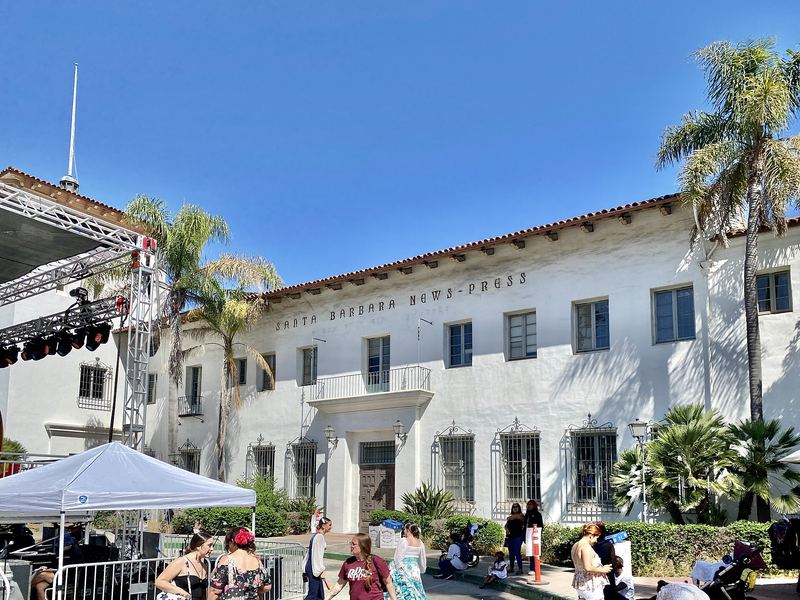
Photo: Warren LeMay from Chicago, IL, United States, CC BY-SA 2.0
City Landmark
715 Anacapa Street, Santa Barbara
Built 1922 · Designed by George Washington Smith · Spanish Colonial Revival
Smith designed the newspaper building in 1922. It became the southern anchor of the plaza.
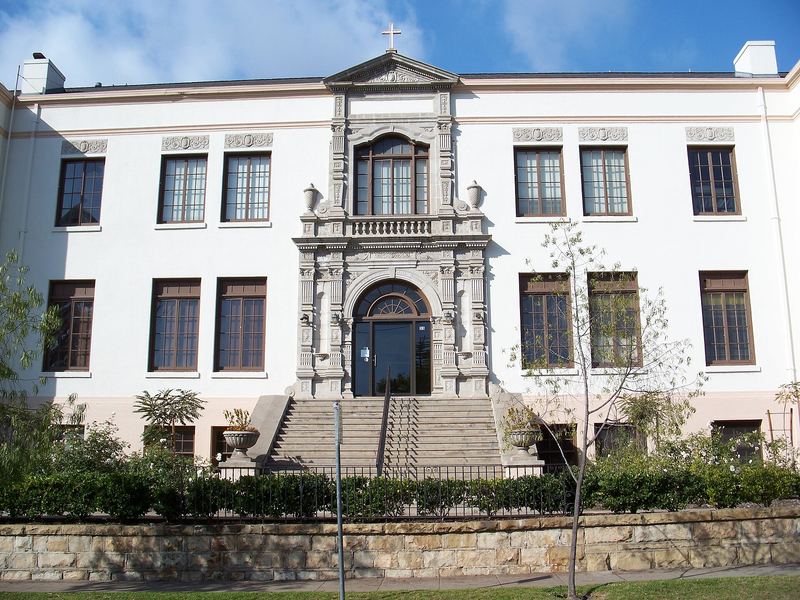
Photo: Eugene Zelenko (thanks to my friends Nickolov family for generous help and company), CC BY-SA 4.0
City Landmark, 2016
33 E Micheltorena St, Santa Barbara
Built 1926 · Designed by Ilton Loveless · Spanish Renaissance subset of the Spanish Colonial Revival style
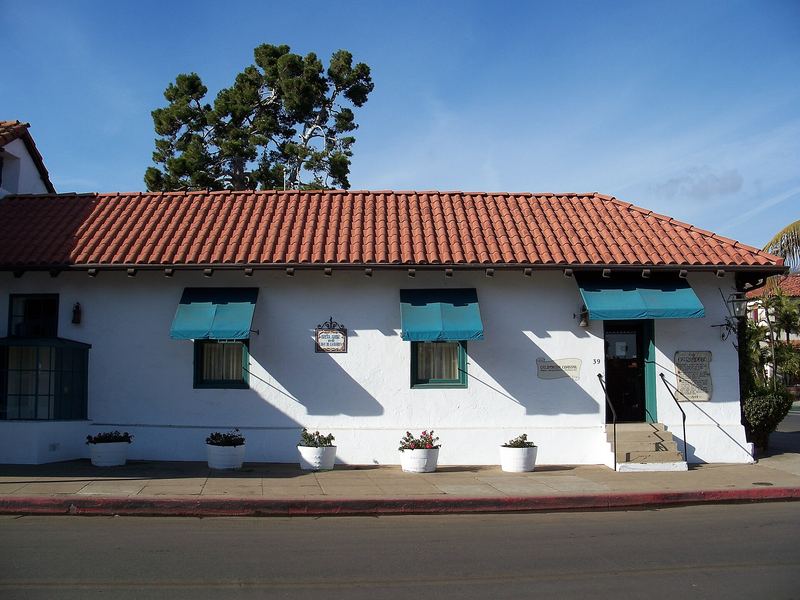
Photo: Eugene Zelenko (thanks to my friends Nickolov family for generous help and company), CC BY-SA 4.0
City Landmark, 1960
27 39 De La Guerra St, Santa Barbara
Built 1849 and 1858 · Spanish Colonial
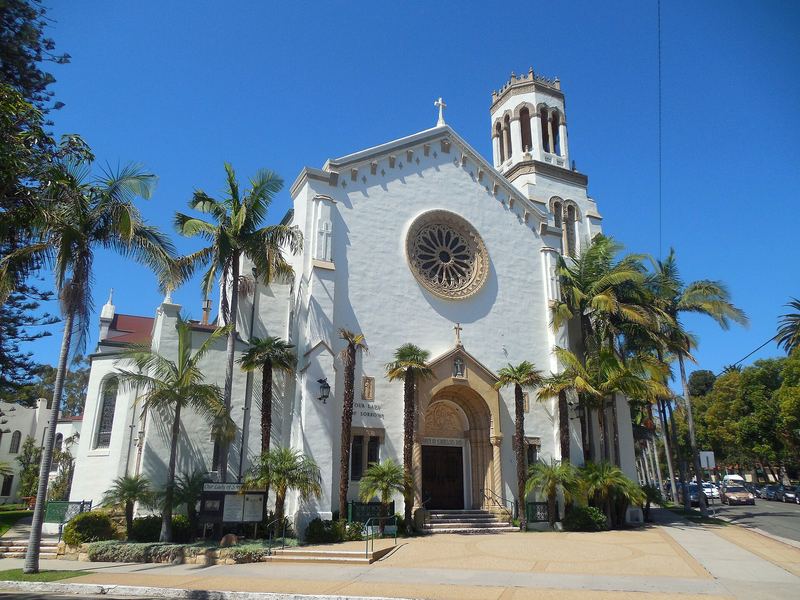
Photo: Niranjan Arminius, CC BY-SA 4.0
City Landmark, 2016
33 E Sola Street, Santa Barbara
Built 1929 · Designed by Edward A. Eames · Spanish Romanesque
City Landmark, 1990
100 Castillo St, Santa Barbara
Built 1919 · Designed by Winsor Soule · Mission Revival
Winsor Soule designed the band shell in the Mission Revival style. It continues to serve as a place for performances and cultural events.
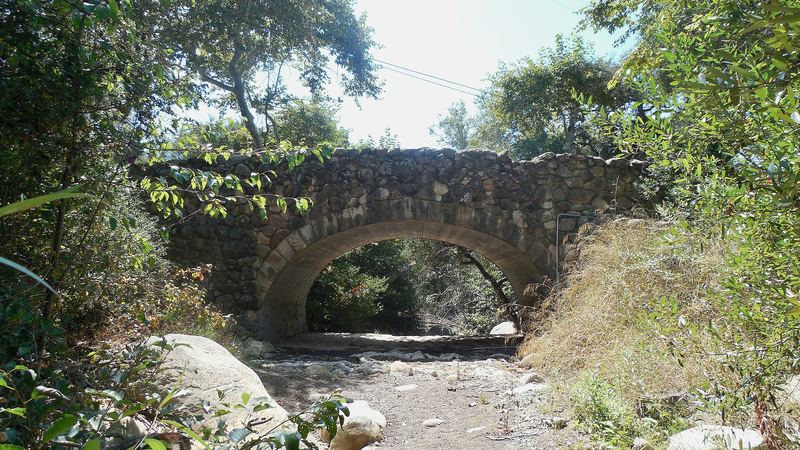
Photo: Niranjan Arminius, CC BY-SA 4.0
City Landmark, 2016
1819 Las Canoas, Santa Barbara
Built 1919 · Designed by Owen Hugh O'Neill Jr. · Sandstone bridge
Built in 1919, this sandstone highway bridge crosses Rattlesnake Creek. Its local historic significance is recognized in the National Register.
City Landmark, 1999
2000 Alameda Padre Serra, Santa Barbara
Built 1913 · Vernacular
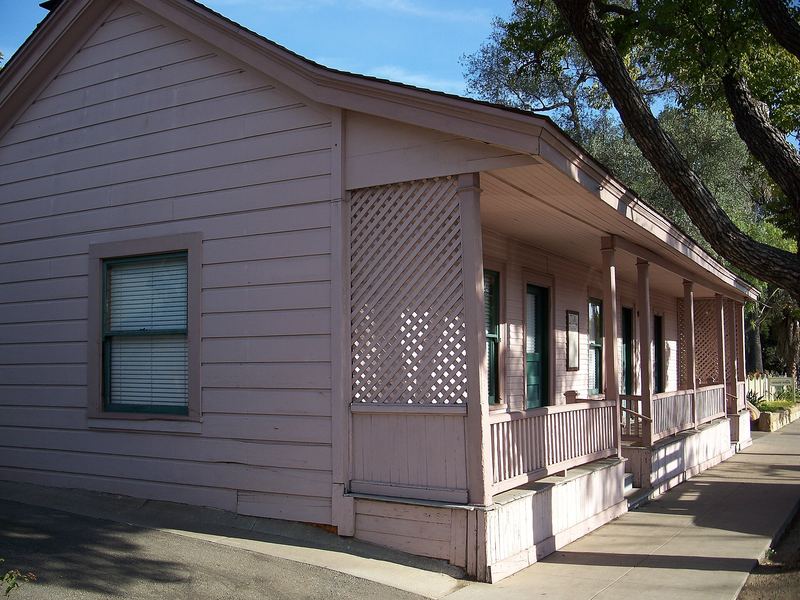
Photo: Eugene Zelenko (thanks to my friends Nickolov family for generous help and company), CC BY-SA 4.0
City Landmark, 1982
820 Santa Barbara St, Santa Barbara
Built 1856 and c. 1900 · Spanish Colonial
This adobe dates to 1856 and forms part of El Presidio State Historic Park. It now houses school offices.
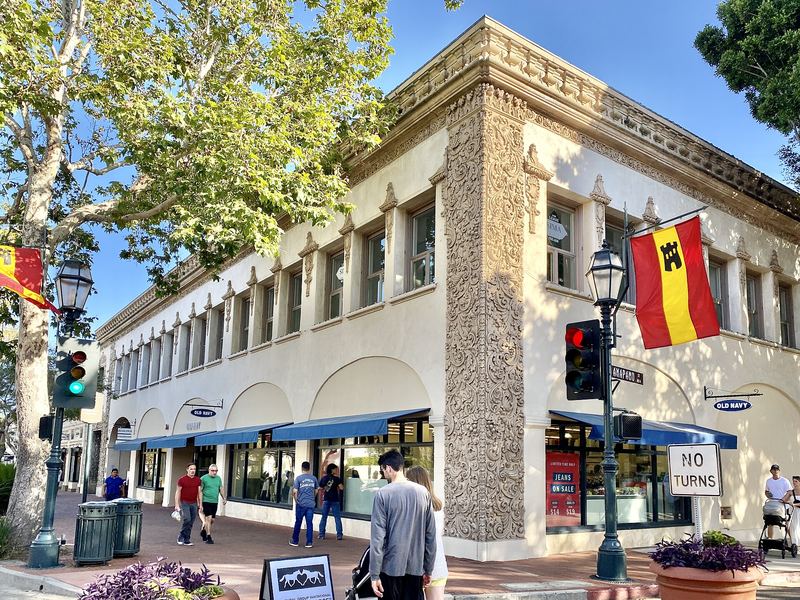
Photo: Warren LeMay from Chicago, IL, United States, CC BY-SA 2.0
City Landmark, 2015
9 W Anapamu St, Santa Barbara
Built 1926 · Designed by Myron Hunt & Harold C. Chambers · Spanish Churrigueresque
The City ties the building to Dr. Frances Ford's medical practice and to Santa Barbara's Black history.
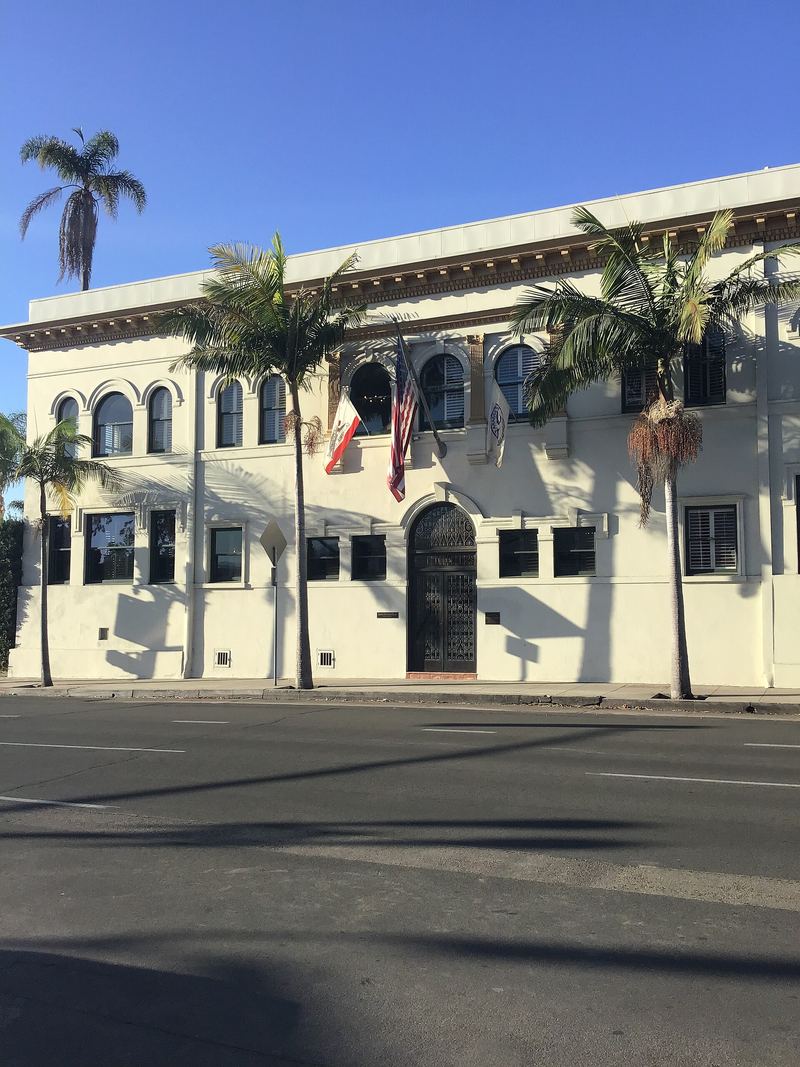
Photo: Caravanridge, CC BY-SA 4.0
City Landmark, 2014
1105 Chapala St, Santa Barbara
Built 1904 · Designed by Francis W. Wilson · Neoclassical Revival
The club has met in this clubhouse since 1904.
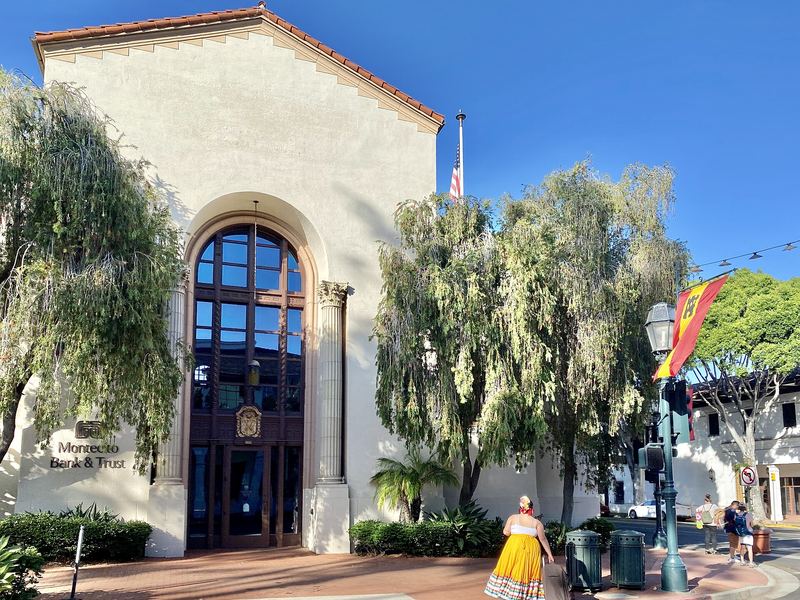
Photo: Warren LeMay from Chicago, IL, United States, CC BY-SA 2.0
City Landmark, 2016
1000 State Street, Santa Barbara
Designed by Myron Hunt · Spanish Colonial Revival
Myron Hunt designed this Spanish Colonial Revival bank building.
City Landmark, 2005
700 E Anapamu St, Santa Barbara
Built 1934 · Spanish Eclectic
The main school building has a central two-story section and symmetrical single-story wings. The City identifies its architecture as Spanish Eclectic.
City Landmark, 1985
721 E Cota St, Santa Barbara
Built 1932 · Designed by William H. Weeks · Spanish Colonial Revival
The City highlights the school's combination of Spanish domestic and civic architectural forms, including its prominent entrance tower.
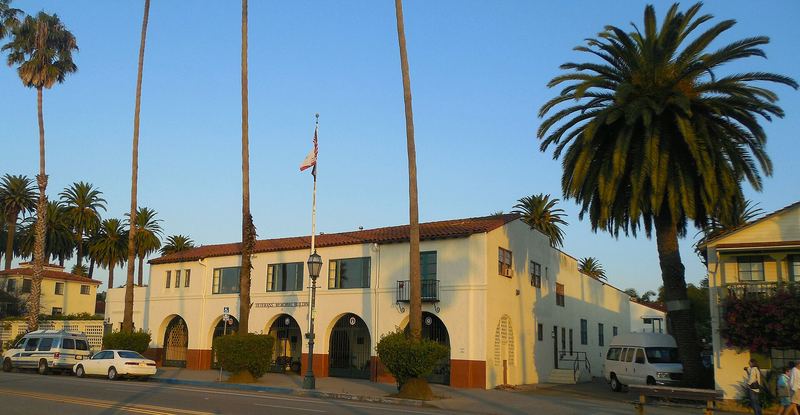
Photo: Niranjan Arminius, CC BY-SA 4.0
City Landmark, 2013
112 W Cabrillo Blvd, Santa Barbara
Built 1927 · Designed by Soule & Murphy · Spanish Colonial Revival
The original 1927 veterans building was remodeled in 1937 in the Spanish Colonial Revival style.
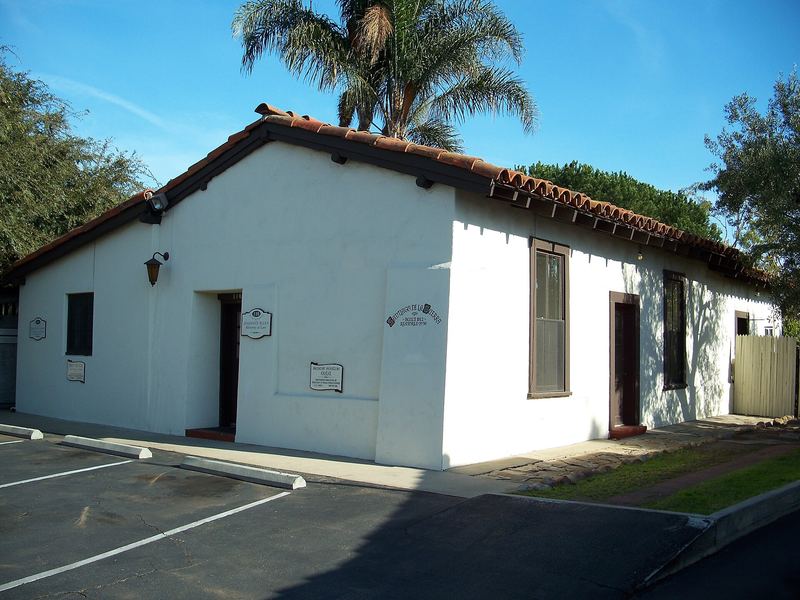
Photo: Eugene Zelenko (thanks to my friends Nickolov family for generous help and company), CC BY-SA 4.0
City Landmark
110 E De La Guerra St, Santa Barbara
Built c. 1812 · Spanish Colonial
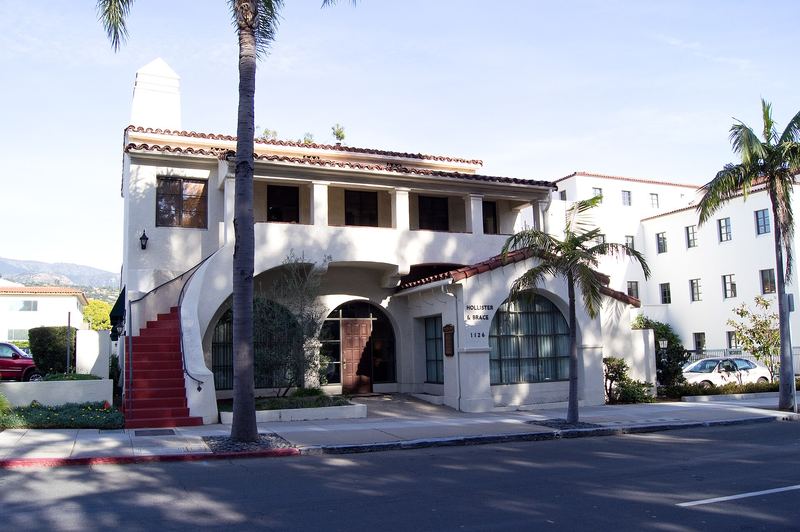
Photo: Thomas Camargo, CC BY 3.0
City Landmark, 2019
1126 Santa Barbara St, Santa Barbara
Built 1930 · Designed by Edwards & Plunkett · Spanish Colonial Revival
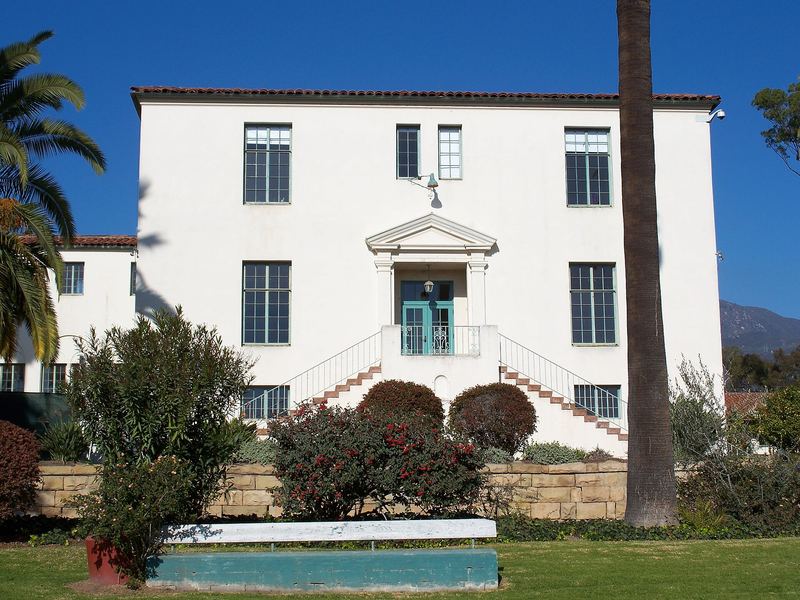
Photo: Eugene Zelenko (thanks to my friends Nickolov family for generous help and company), CC BY-SA 4.0
City Landmark
2300 Garden St, Santa Barbara
Built 1901 through 1949 · Designed by Brother Adrian Wewer, Ross Montgomery · Spanish Colonial Revival
The former seminary expanded during the early 1920s, adding a north wing and a service wing along Mission Canyon.
City Landmark, 2020
502 Olive St, Santa Barbara
Built 1916 · Carpenter's Gothic Revival
Founded in 1903, St. Paul's was Santa Barbara's first Black church. It became an anchor of the local Black community.
City Landmark
2000-2500 Blocks of State Street, Santa Barbara
Built 1917 · Designed by City Engineers · Cultural Landscape - Parkway with Pindo Palms
City Landmark, 1977
100 W Carrillo St, Santa Barbara
Built c. 1878 · Designed by Planted · Cultural Landscape - Tree
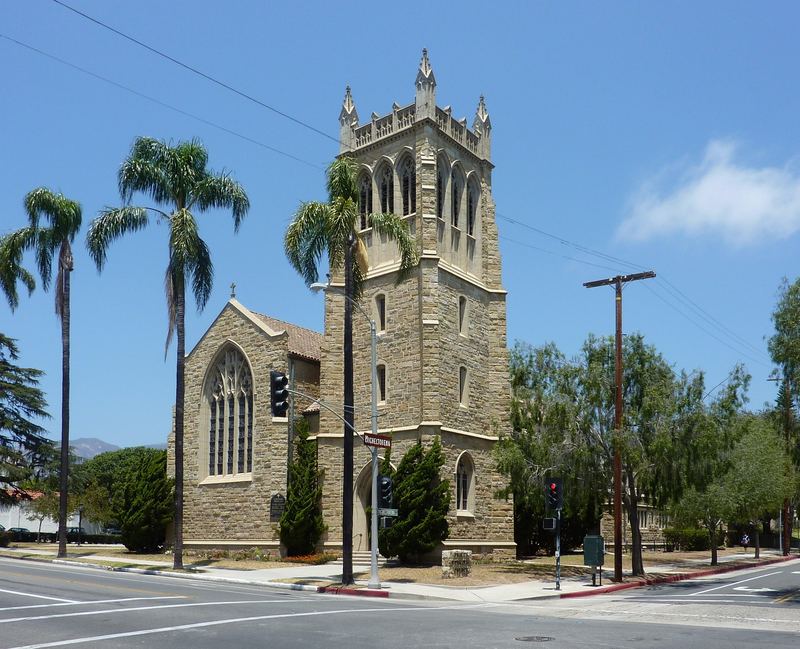
Photo: Chris06, CC BY-SA 4.0
City Landmark, 2019
1500 State Street, Santa Barbara
Built 1912 · Designed by Philip Hubert Frohman · Gothic Revival
Constructed between 1912 and 1919 from plans by Philip H. Frohman, Trinity is an English Perpendicular Gothic church. It continues to provide a place for worship, prayer and reflection.
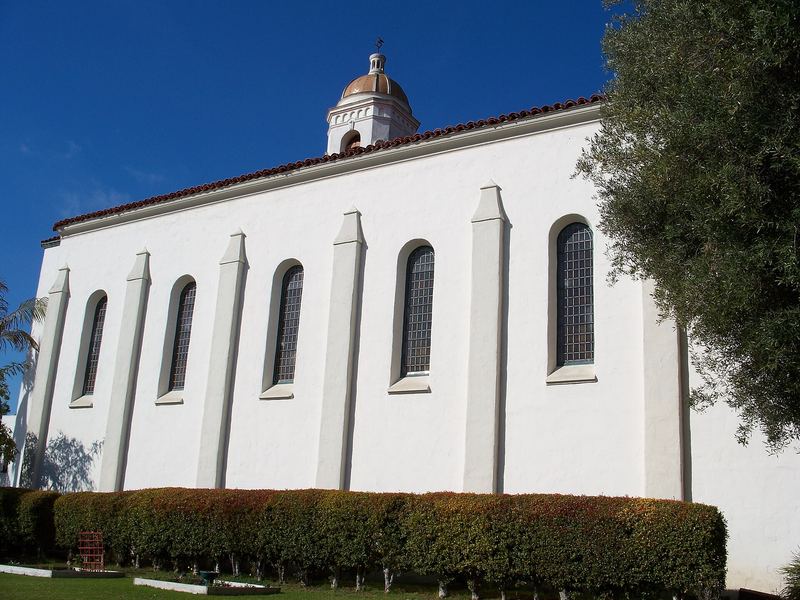
Photo: Eugene Zelenko (thanks to my friends Nickolov family for generous help and company), CC BY-SA 4.0
City Landmark, 2014
1529/35 Santa Barbara St, Santa Barbara
Built 1930 · Designed by E. Keith Lockard · Spanish Colonial Revival
The historic Unitarian church remains a place for Sunday services.
City Landmark, 1980
1404 De La Vina St, Santa Barbara
Built 1872 and 1900 · Designed by Peter J. Barber · Italianate
The Italianate hotel and annex are City Landmarks. The property continues to accommodate overnight guests.
City Landmark, 1990
717 719 State St, Santa Barbara
Built 1896, 1925 and 1934 · Designed by Francis W. Wilson; Edwards and Plunkett · Spanish Colonial Revival
Landmarks named by Santa Barbara County, the City of Goleta and the City of Carpinteria.
County Landmark, 2024
80 Eucalyptus Lane, Montecito
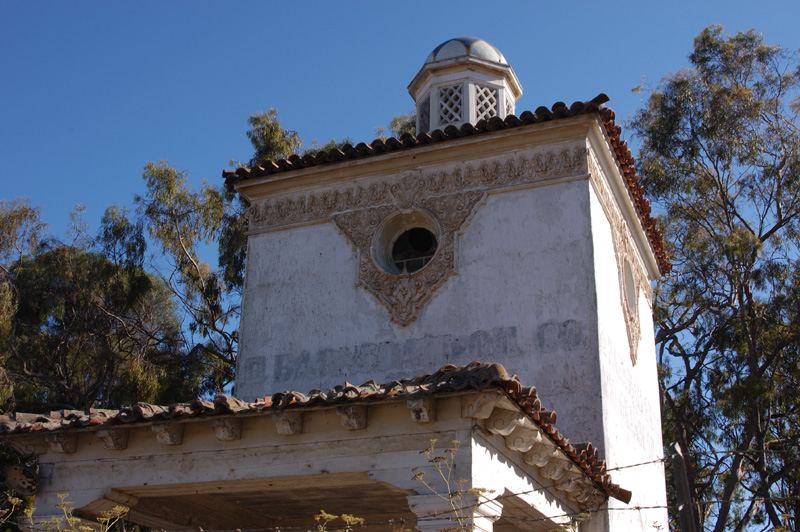
Photo: Damian Gadal, CC BY 2.0
County Landmark, 1990
7825 Hollister Avenue, Goleta
Designed by Morgan, Walls & Clement
Carpinteria historic resource
800 Maple Avenue, Carpinteria
The church is recognized for its Gothic Revival architecture.
County Landmark, 2002
1260 Channel Drive, Montecito
This beach club combines International and Moderne architectural styles.
County Landmark, 1979
955 La Paz Road, Montecito
County Landmark, 1987
7055 Seaway Drive, Goleta
The county identifies this landmark at Coal Oil Point as an administrative building.
County Landmark, 1993
12000 Calle Real, unincorporated
The landmark includes an adobe house and school building, preserving evidence of domestic life and education along the Gaviota Coast.
Carpinteria City Landmark
5300 6th Street, 600 feet east of Palm Avenue, Carpinteria
The city recognizes this exceptionally old sycamore.
County Landmark, 1981
2031 Packing House Road, Montecito
County Landmark, 2023
610 Mission Canyon Road, unincorporated
The County named the park as part of Mission Canyon's historic setting.
County Landmark, 1984
5320 Vineyard Road, unincorporated
Built 1804
This early winery connects Goleta Valley's wine production with Mission Santa Barbara. The county report identifies it as the valley's oldest human-made structure.
County Landmark, 1981
900 San Ysidro Lane, Montecito
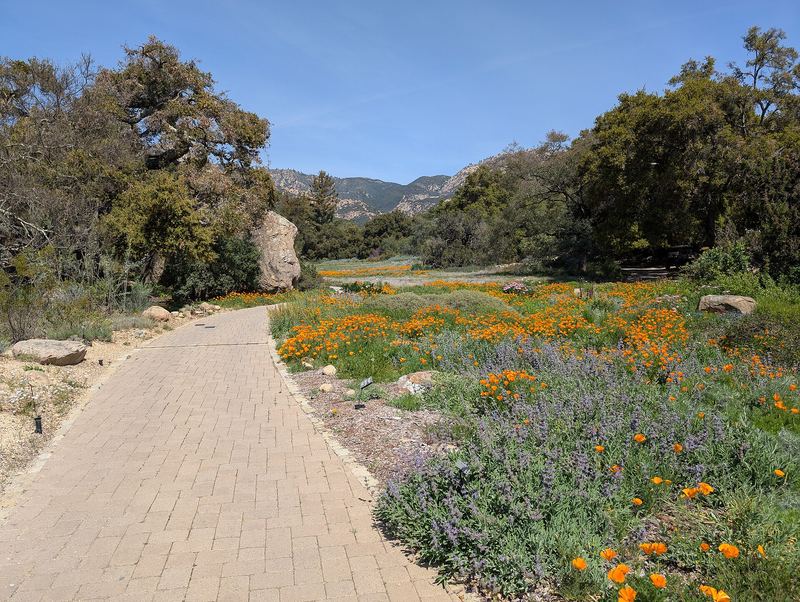
Photo: Krzysztof Ziarnek, Kenraiz, CC BY-SA 4.0
County Landmark, 1983
1212 Mission Canyon Road, Santa Barbara
The landmark encompasses the Mission Dam and Aqueduct within the botanic garden.
Source · Did you know: the first native-plant botanic garden in the U.S.
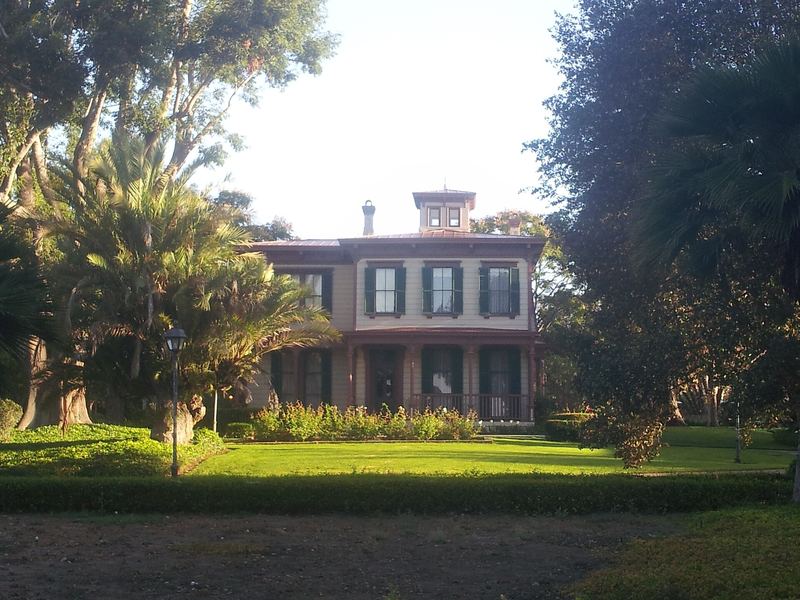
Photo: Bzeyen, CC BY-SA 3.0
County Landmark, 1978
5494 Hollister Avenue, Goleta
The county record describes a historic house incorporated into a hotel property.
Carpinteria City Landmark
892 Linden Avenue, Carpinteria
This site commemorates Carpinteria's original library.
Named by the City's Historic Landmarks Commission, one level under a City Landmark.
Structure of Merit, 2019
502 North Milpas St, Santa Barbara
Built 1925 · Designed by Wythe, Blaine and Olson · Spanish Colonial Revival
Structure of Merit, 1989
8-18 E Cota St, Santa Barbara
Built 1903/1925 remodel · Spanish Colonial Revival
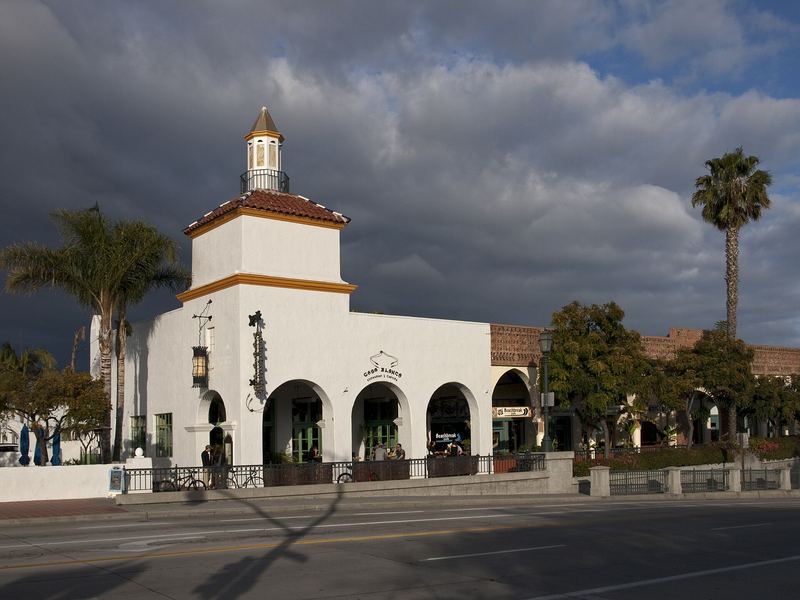
Photo: Ymblanter, CC BY-SA 3.0
Structure of Merit, 1984
316-330 State St, Santa Barbara
Built 1911/1926/1937 · Designed by Lionel H. Pries / Carleton Winslow and R. H. Pitman · Spanish Colonial Revival
Structure of Merit, 1981
1330 Chapala Street, Santa Barbara
Built 1910 · Designed by Arthur Benton · Mission Revival
Structure of Merit, 2019
1301 Santa Barbara St, Santa Barbara
Built 1931 · Designed by Edwards & Plunkett · Spanish Colonial Revival
Structure of Merit
236 E Cota St, Santa Barbara
Built 1920 · Vernacular
This church building previously housed the Spiritualist Success Church. The City's Black history study identifies it as Bethel Church of God in Christ.
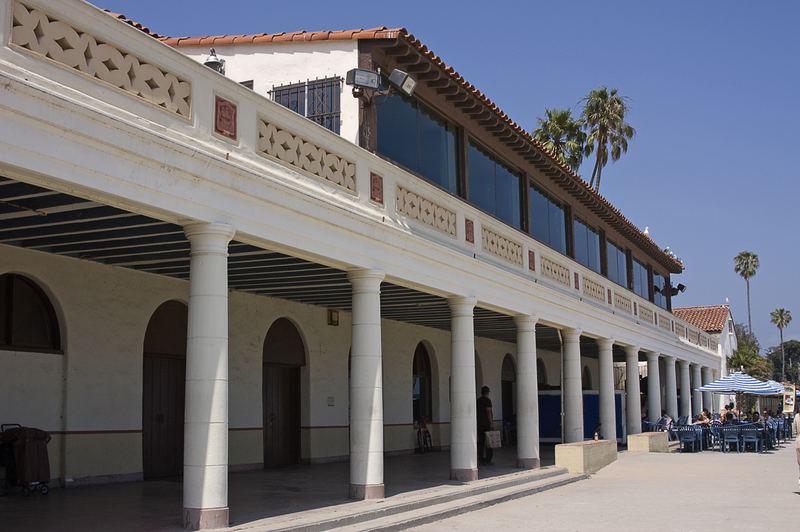
Photo: Damian Gadal, CC BY 2.0
Structure of Merit, 1991
1118 E Cabrillo Blvd, Santa Barbara
Built 1926 · Designed by Roland F. Sauter & E. Keith Lockard · Spanish Colonial Revival
The beachfront pavilion provides recreation facilities and spaces for community gatherings.
Structure of Merit, 2017
6 E. Arrellaga St, Santa Barbara
Built 1927 · Designed by Edwards, Plunkett & Howell · Spanish Colonial Revival
Structure of Merit
826 E Ortega St, Santa Barbara
Built 1947 · Designed by Alex D'Alfonso · Spanish Colonial Revival
Structure of Merit, 2017
530 Chapala St, Santa Barbara
Built 1930 · Designed by Roland F. Sauter · Spanish Colonial Revival
Structure of Merit, 2013
1601 State St, Santa Barbara
Built 1951 · Designed by Carl Madsen & Albert Dothee · Mid-Century Modern
Structure of Merit, 1981
415 E Sola St, Santa Barbara
Built 1929 · Designed by Edwards, Plunkett & Howell · Spanish Colonial Revival
The building combines the history of Fire Station No. 3 and the former fire alarm headquarters. The Fire Department still lists a station at this address.
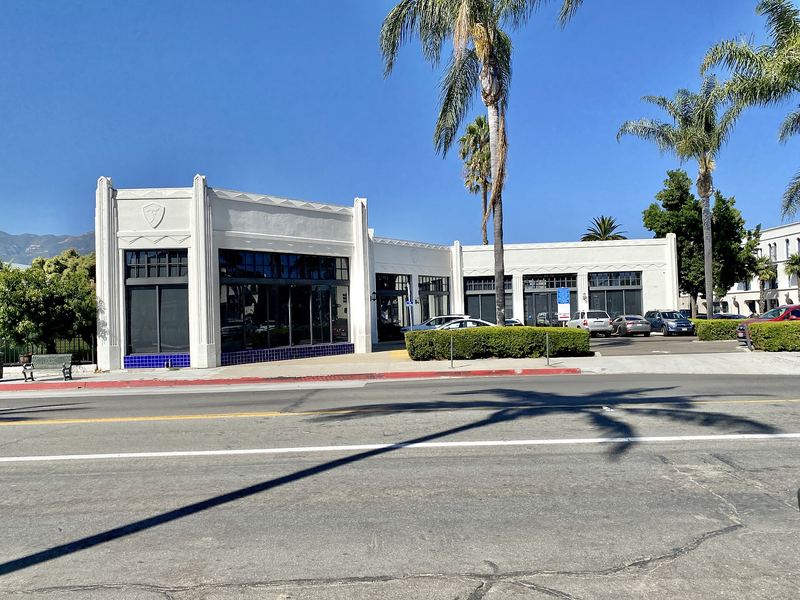
Photo: Warren LeMay from Chicago, IL, United States, CC BY-SA 2.0
Structure of Merit, 1989
506 Chapala St, Santa Barbara
Built 1930 · Designed by The Austin Company of California · Art Moderne
Structure of Merit, 2019
2101 State St, Santa Barbara
Built 1935 · Colonial Revival
Construction began in December 1935, and the congregation dedicated its present church in January 1937.
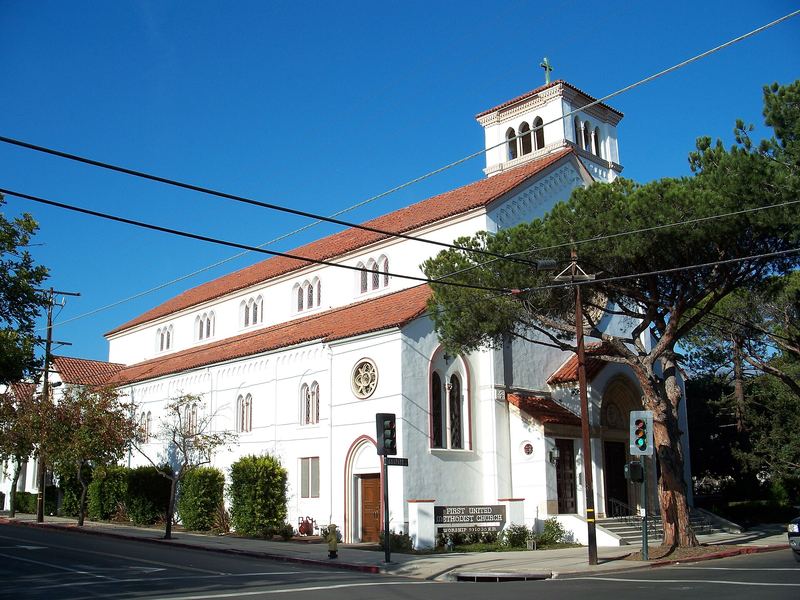
Photo: Eugene Zelenko (thanks to my friends Nickolov family for generous help and company), CC BY-SA 4.0
Structure of Merit, 2021
305 East Anapamu Street, Santa Barbara
Built 1926
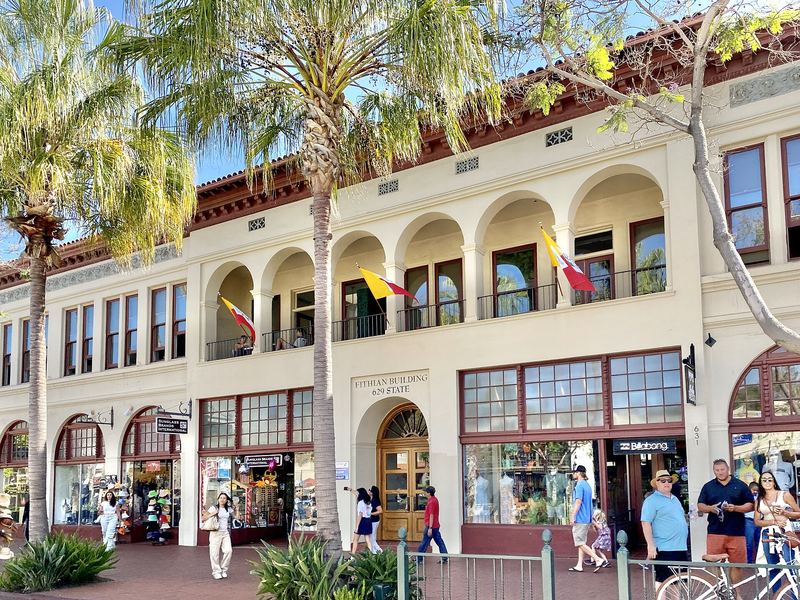
Photo: Warren LeMay from Chicago, IL, United States, CC BY-SA 2.0
Structure of Merit, 1979
625 635 State St, Santa Barbara
Built 1925 · Spanish Colonial Revival
Structure of Merit, 1986
107 109 W Cota St, Santa Barbara
Built 1887 · Folk Victorian
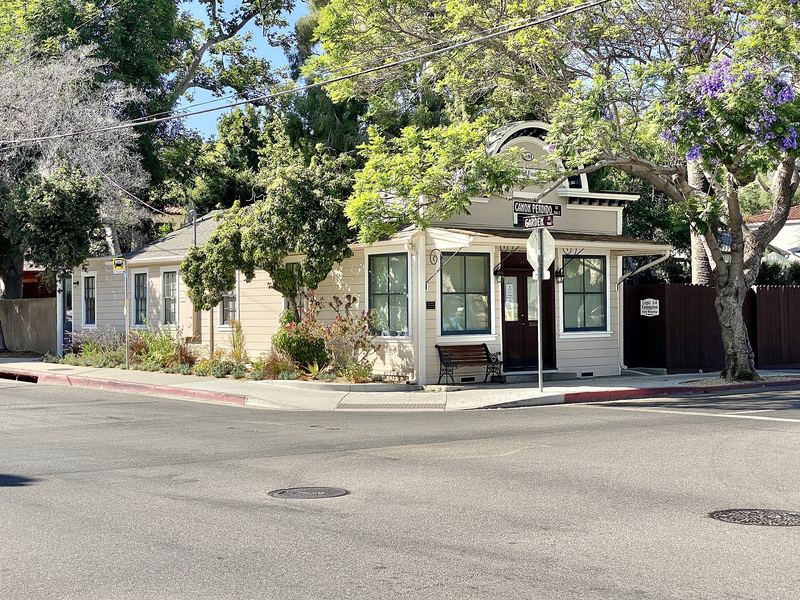
Photo: Warren LeMay from Chicago, IL, United States, CC BY-SA 2.0
Structure of Merit, 1982
301 E Canon Perdido St, Santa Barbara
Built 1898 · Italianate
Structure of Merit, 1989
125 127 W Ortega St, Santa Barbara
Built 1885 · National
Structure of Merit, 1993
17 W Carrillo St, Santa Barbara
Built 1930 · Designed by Edwards & Plunkett · Spanish Colonial Revival
Structure of Merit, 2018
35 W Haley St, Santa Barbara
Built 1926 · Designed by Soule, Murphy, & Hastings · Italian Mediterranean
Structure of Merit, 1999
414 De La Vina St, Santa Barbara
Built 1927 · Designed by James Crow · Vernacular
The former arts-school building was relocated from 915 Garden Street.
Structure of Merit, 2017
614 Chapala St, Santa Barbara
Built 1946 · Designed by Soule & Murphy · Spanish Colonial Revival
The former Chevrolet building dates to 1946. The City's Chapala Street guidelines credit A. Godfrey Bailey with Soule and Murphy.
Structure of Merit
Santa Barbara Airport, Santa Barbara
Built 1931
This 1931 hangar belongs to the earliest group of buildings at what became Santa Barbara Airport.
Structure of Merit
Santa Barbara Airport, Santa Barbara
Built 1931
This 1931 hangar belongs to the earliest group of buildings at what became Santa Barbara Airport.
Structure of Merit, 2019
430 432 East Figueroa Street, Santa Barbara
Built 1940 · Designed by Soule & Murphy · English Vernacular
Greater Hope occupies the former Emmanuel Lutheran Church building. The City designated it for its architecture.
Structure of Merit, 2017
25 W. Cota St, Santa Barbara
Built 1913 · Industrial
Structure of Merit, 2020
814 Santa Barbara St, Santa Barbara
Built 1941 · Vernacular
Structure of Merit, 2018
1235 Castillo St, Santa Barbara
Built 1939 · Designed by Robert Orr · Vernacular
Structure of Merit, 2019
35 State St, Santa Barbara
Built 1925 · Designed by F. H. Webster · Spanish Colonial Revival
Hotel Californian first opened in 1925. The present Californian Building stands behind the original hotel's façade.
Structure of Merit, 2017
919 Chapala St, Santa Barbara
Built 1936 · Designed by Soule & Murphy · Spanish Colonial Revival
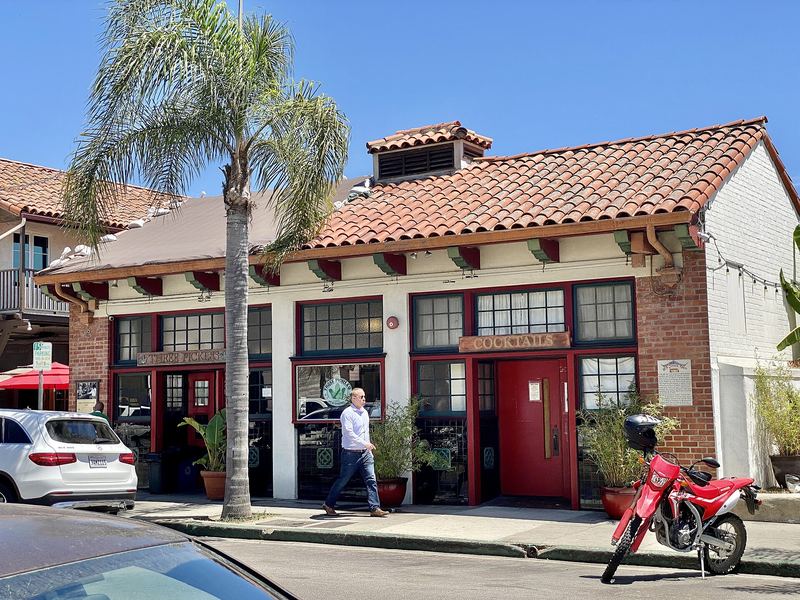
Photo: Warren LeMay from Chicago, IL, United States, CC BY-SA 2.0
Structure of Merit, 2018
126 E Canon Perdido St, Santa Barbara
Built 1947 · Designed by Roy Cheesman · Vernacular
The former Chinese restaurant preserves a connection to Santa Barbara's Chinese American community.
Structure of Merit, 1990
1012 Garden St, Santa Barbara
Built c. 1880 · Stick
Structure of Merit, 2021
702 Anacapa St, Santa Barbara
Built 1925 · Commercial Vernacular
This historic neighborhood cafe remains a restaurant and gathering place. Its familiar neon sign is part of its local identity.
Structure of Merit, 2019
740 State St, Santa Barbara
Built 1925 · Designed by Lionel H. Pries · Spanish Colonial Revival
Structure of Merit, 1991
15 Santa Barbara St, Santa Barbara
Built 1911
A one-story sandstone building tied to a family that helped start Santa Barbara's commercial fishing.
Structure of Merit, 1988
801 State St, Santa Barbara
Built 1924 · Designed by A. C. Sanders · Spanish Colonial Revival
Structure of Merit, 1983
27 E Carrillo St, Santa Barbara
Built 1923 · Designed by George Washington Smith (remodeling) · Spanish Colonial Revival
George Washington Smith remodeled an earlier Victorian house into a Spanish Colonial Revival building for the Little Town Club.
Structure of Merit, 2019
600 North Milpas Street, Santa Barbara
Built 1927 · Designed by E. Keith Lockard · Spanish Colonial Revival
Structure of Merit, 1991
111 W Victoria St/1232 De La Vina St, Santa Barbara
Built 1922 · Designed by Soule, Murphy, & Hastings · Mission Revival
Originally part of Santa Barbara's first public high school, the building has served as a community recreation center since 1933.
Structure of Merit, 2018
127 Anacapa Street, Santa Barbara
Built 1949 · Designed by Alex D'alfonso · Industrial Vernacular
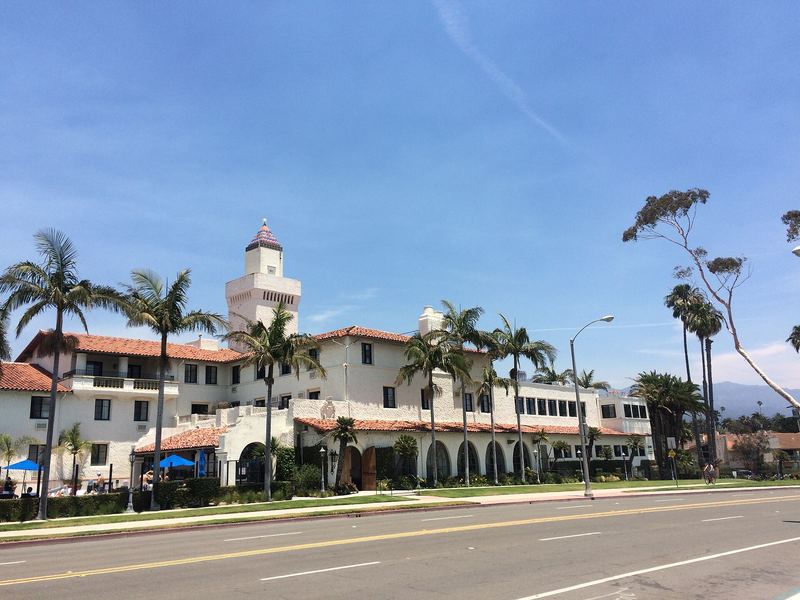
Photo: Sergei Gussev, CC BY 2.0
Structure of Merit, 2019
1111 E Cabrillo Blvd, Santa Barbara
Built 1927 · Designed by Walker & Eisen · Mediterranean
Structure of Merit
17 21 E Carrillo St, Santa Barbara
Built 1922 · Designed by Robert W. Hyde, Des. · Monterey Revival
Structure of Merit, 2019
17 W Ortega St, Santa Barbara
Built 1905 · Mission Revival
Structure of Merit, 2019
605 North Milpas Street, Santa Barbara
Built 1937 · Designed by Soule & Murphy · Mission Revival
Structure of Merit, 2017
222 W. Carrillo St, Santa Barbara
Built 1927 · Designed by G. H. Jacobs · Mission Revival
Structure of Merit, 1983
11 W Mission St, Santa Barbara
Built 1930 · Designed by Russel Ray · Spanish Colonial Revival
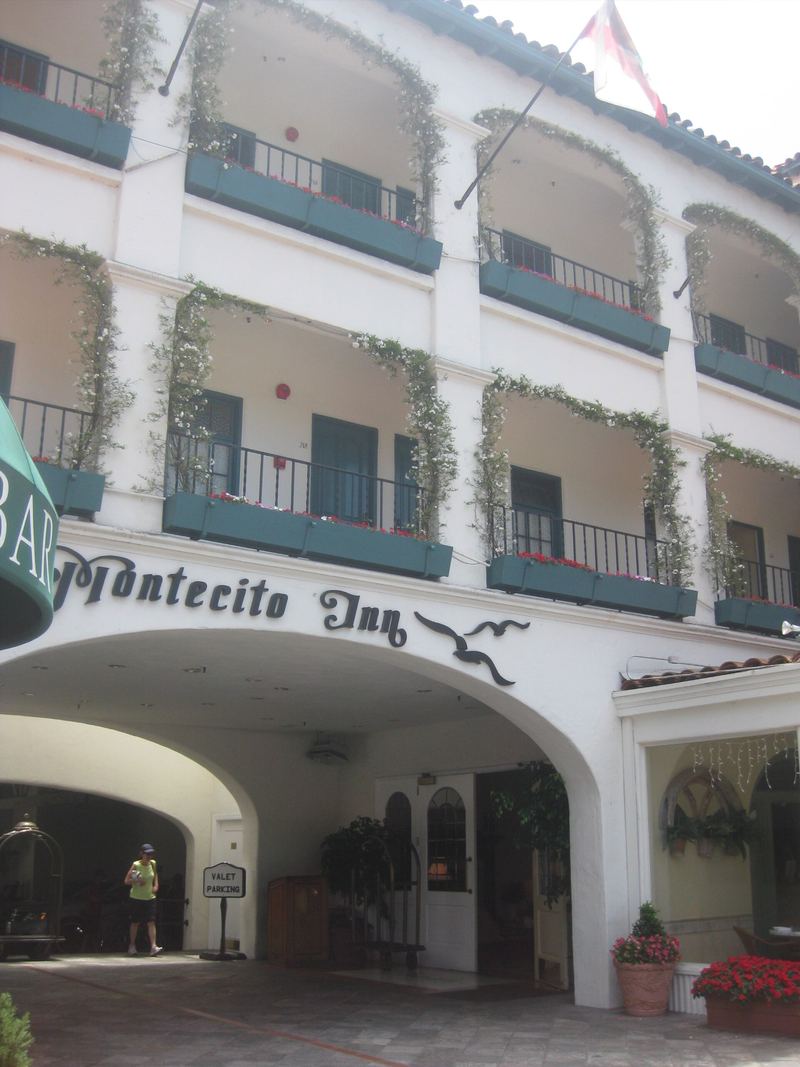
Photo: Caterpillar84, CC BY-SA 4.0
Structure of Merit, 2017
1295 Coast Village Rd, Santa Barbara
Built 1928 · Designed by Edward L. Mayberry · Spanish Colonial Revival
The Montecito Inn is a hotel dating to 1928.
Structure of Merit, 2019
235 West Micheltorena Street, Santa Barbara
Built 1920 · Vernacular
Structure of Merit, 1979
33 W Victoria St, Santa Barbara
Built 1910 · Designed by Norman Foote Marsh · Gothic Revival
The former First Baptist Church is now the New Vic Theatre. Ensemble Theatre Company renovated the former Victoria Hall Theater into its resident stage.
Structure of Merit, 1977
1421 State St, Santa Barbara
Built 1920, 1927, 1930, 1978 · Designed by Carleton M. Winslow · Spanish Colonial Revival
The former Santa Barbara medical clinic appears in the City's design guidelines among its notable arcades.
Structure of Merit, 2019
1122 N Milpas St, Santa Barbara
Built 1966 · Designed by Robert Ingle Hoyt · Spanish Colonial Revival
Structure of Merit, 2017
1100 Chapala St, Santa Barbara
Built 1929 · Designed by Roland F. Sauter · Spanish Colonial Revival
Structure of Merit, 1991
232 W Carrillo St, Santa Barbara
Built 1971 · Designed by Paul Unander · Tudor Revival
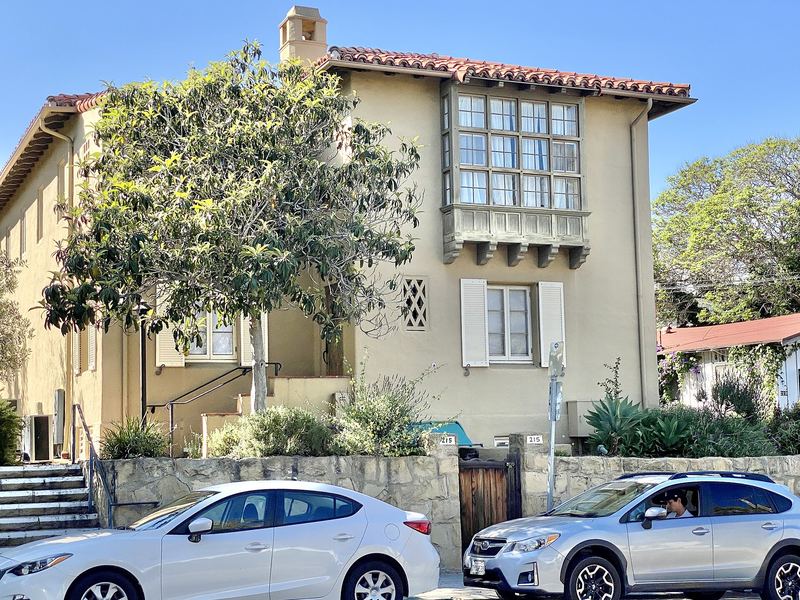
Photo: Warren LeMay from Chicago, IL, United States, CC BY-SA 2.0
Structure of Merit, 1999
215 E Canon Perdido St, Santa Barbara
Built 1928 · Designed by Soule, Murphy, & Hastings · Spanish Colonial Revival
The former School of the Arts building now houses the Presidio Research Center. Its restoration returned the exterior to its early appearance.
Structure of Merit, 2018
329 E. Carrillo St, Santa Barbara
Built 1924 · Spanish Colonial Revival
Structure of Merit, 2020
524 State Street, Santa Barbara
Built 1925 · Designed by Soule, Murphy, & Hastings · Mediterranean
Structure of Merit, 2005
2062 Alameda Padre Serra St, Santa Barbara
Built 1913 · Vernacular
Structure of Merit
25 W Anapamu St, Santa Barbara
Built 1922 · Designed by William A. Edwards · Spanish Colonial Revival
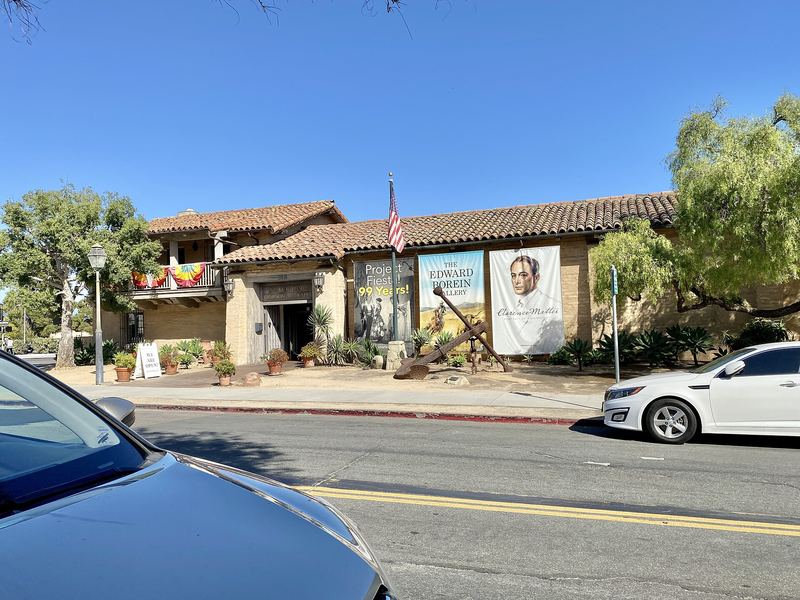
Photo: Warren LeMay from Chicago, IL, United States, CC BY-SA 2.0
Structure of Merit, 2019
136 E De La Guerra St, Santa Barbara
Built 1964 · Designed by Robert Ingle Hoyt · Adobe
The museum preserves and presents Santa Barbara's regional history through exhibitions and the Gledhill Library's archival collections.
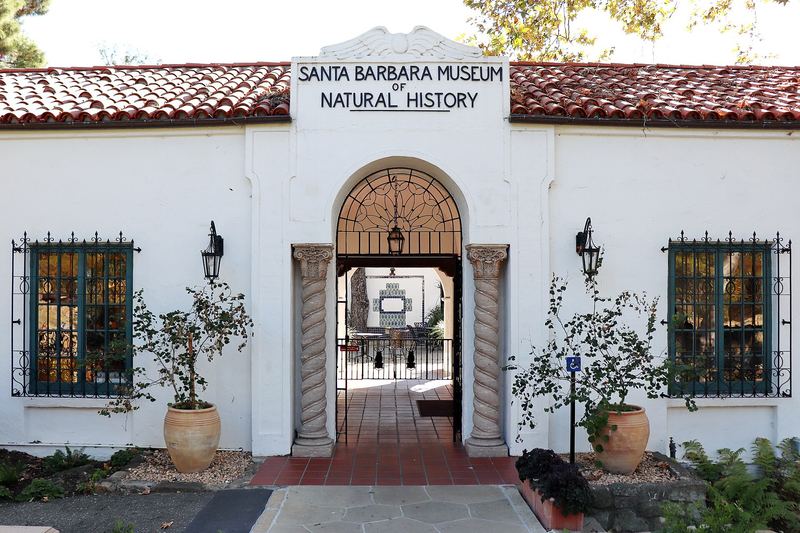
Photo: Vahe Martirosyan from Glendale, CA, USA, CC BY-SA 2.0
Structure of Merit, 1981
2559 Puesta Del Sol, Santa Barbara
Built 1922 · Designed by F. Brewster, C. Winslow Sr., C. Carjola, F. Greer · Spanish Colonial Revival
Founded in 1916 to study bird eggs, the museum opened at this site in 1922. It continues as a regional research and educational institution.
City of Santa Barbara · Did you know: Chad the whale combines four specimens
Structure of Merit, 2017
317 Chapala St, Santa Barbara
Built 1926 · Designed by Soule, Murphy, & Hastings · Spanish Colonial Revival
Built in 1926, this Spanish Colonial Revival building served as a tobacco-company warehouse and office.
Structure of Merit, 2021
26 East Gutierrez Street, Santa Barbara
Built 1925
Founded in 1910, this was Santa Barbara's second Black church.
Structure of Merit, 1984
428, 430, & 434 State St, Santa Barbara
Built 1925 · Designed by W. A. Edwards · Spanish Colonial Revival
Structure of Merit, 1987
116 E Sola St, Santa Barbara
Built 1924 · Spanish Colonial Revival
Structure of Merit, 2017
1036 Anacapa St, Santa Barbara
Built 1927 · Designed by Edwards, Plunkett & Howell · Spanish Colonial Revival
Built for the Southern Counties Gas Company, the building has a substantial front arcade.
Structure of Merit, 2018
28 E. Canon Perdido St, Santa Barbara
Built 1926 · Designed by Joseph J. Plunkett · Spanish Colonial Revival
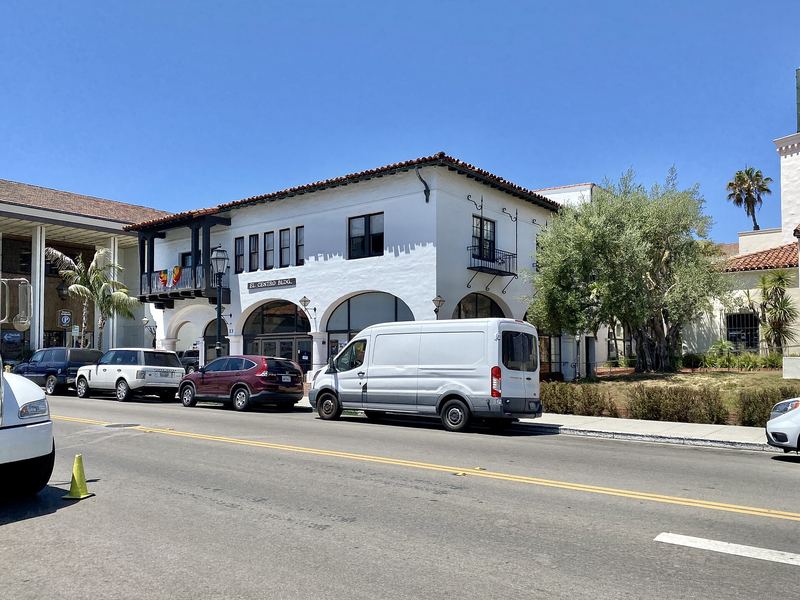
Photo: Warren LeMay from Chicago, IL, United States, CC BY-SA 2.0
Structure of Merit, 2020
21 E. Canon Perdido St, Santa Barbara
Built 1929 · Designed by Edwards, Plunkett & Howell · Spanish Colonial Revival
Structure of Merit, 2019
26 E Ortega St, Santa Barbara
Built 1920 · Spanish Colonial Revival
Structure of Merit, 2019
9 West Ortega Street, Santa Barbara
Built 1926 · Designed by Roland F. Sauter & E. Keith Lockard · Spanish Colonial Revival
Structure of Merit
1601 Cecil Cook Pl, Santa Barbara
Built 1943
This World War II hangar was used to train Marine Corps pilots.
City of Santa Barbara · Did you know: UCSB's campus used to be a base
Structure of Merit
1495 Cecil Cook Pl, Santa Barbara
Built 1943
This World War II hangar was used to train Marine Corps pilots.
City of Santa Barbara · Did you know: UCSB's campus used to be a base
Structure of Merit
303 John Donaldson Pl, Santa Barbara
Built 1943
This World War II hangar was used to train Marine Corps pilots.
City of Santa Barbara · Did you know: UCSB's campus used to be a base
Structure of Merit, 2018
1328 Castillo St, Santa Barbara
Built 1921 · Designed by Ivan Gergel · Vernacular
Structure of Merit, 2017
415 Bath St, Santa Barbara
Built 1887 · Stick
Structure of Merit, 2017
330 Anacapa St, Santa Barbara
Built 1875 · Italianate
Structure of Merit
3237 State Street, Santa Barbara
Built 1956 · Designed by Reisner & Urbahn · Mid-Century Modern
Structure of Merit, 2017
227 E Arrellaga St, Santa Barbara
Built 1958 · Designed by Robert Ingle Hoyt · Mid-Century Modern
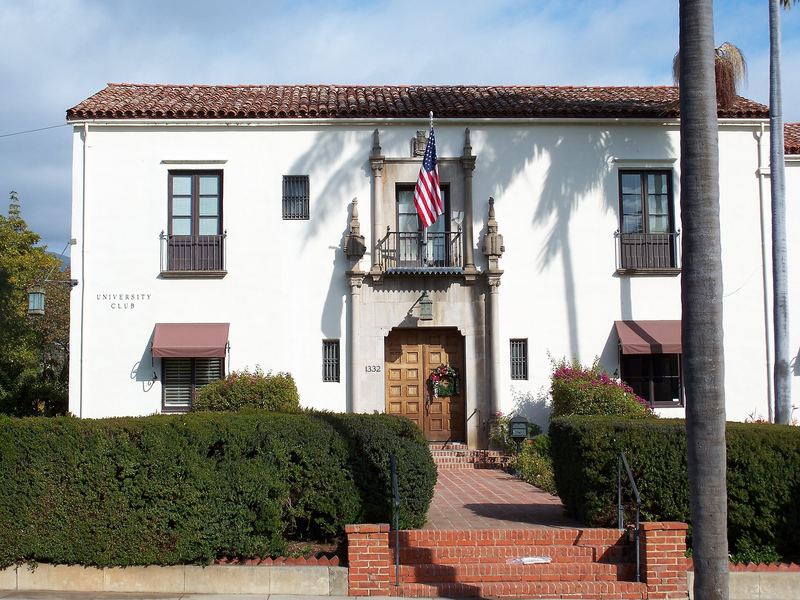
Photo: Eugene Zelenko (thanks to my friends Nickolov family for generous help and company), CC BY-SA 4.0
Structure of Merit, 2019
1332 Santa Barbara St, Santa Barbara
Built 1888/ remodel 1922 · Designed by Winsor Soule, FAIA · Spanish Colonial Revival
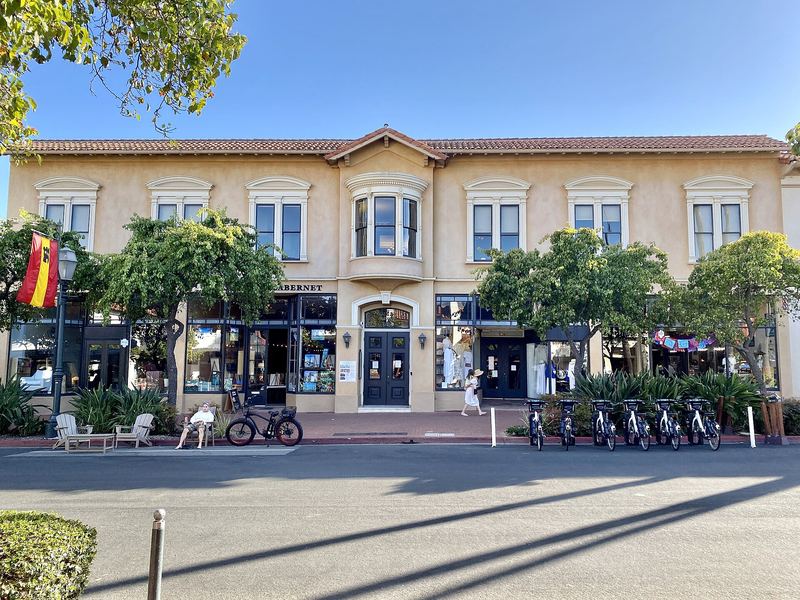
Photo: Warren LeMay from Chicago, IL, United States, CC BY-SA 2.0
Structure of Merit, 1978
1227 1233 State St, Santa Barbara
Built 1888 · Designed by Peter J. Barber · Victorian with Spanish remodel
Structure of Merit, 2020
22 E Victoria St, Santa Barbara
Built 1925 · Designed by William Edwards · Spanish Colonial Revival
The historic hotel now provides rooms and studios for independent living.
Structure of Merit, 2018
133 E. Haley Street, Santa Barbara
Built 1901 · Designed by Francis W. Wilson · Vernacular
Structure of Merit, 2019
400 State St, Santa Barbara
Built 1916 · Vernacular
City of Santa Barbara entries, their names, build dates and map points come from the City's historic resources map, and Structure of Merit dates from the City's designated list. County, Goleta, Carpinteria, state and national entries come from their own official lists and pages. We read every source again before a place goes on the map, and the short descriptions are ours. Private homes are left off unless they sit right on the street, and we never name owners. Many landmarks are private homes or businesses, so look from the sidewalk unless the place is open to the public. Last checked Nov 2026. Map: OpenFreeMap © OpenMapTiles, data from OpenStreetMap.
Free, every Thursday
What's opening, what's closing and the weekend's best plans.


